I was standing in a crowded bazaar in Jaipur, wiping dust off my sunglasses, when a traveler asked me, “Is there actual gold here?”
It made me laugh. But it’s a fair question.
You look at the brochures, and you see polished marble, elephants, and luxury. You arrive, and you see traffic jams, cows eating plastic, and touts trying to sell you “real saffron” for $5. It can be confusing.
If you are planning a trip to North India, you have definitely heard the term. But why is it called Golden Triangle? Is it the shape? The history? Or just a fancy marketing term invented to sell tours to Americans in the 80s?
The answer is a mix of all three. And understanding the name actually helps you understand what you are about to sign up for: a trip that is equal parts royal history and modern chaos.
🟩 The Short Answer (Snippet Bait)
What does the name actually mean?
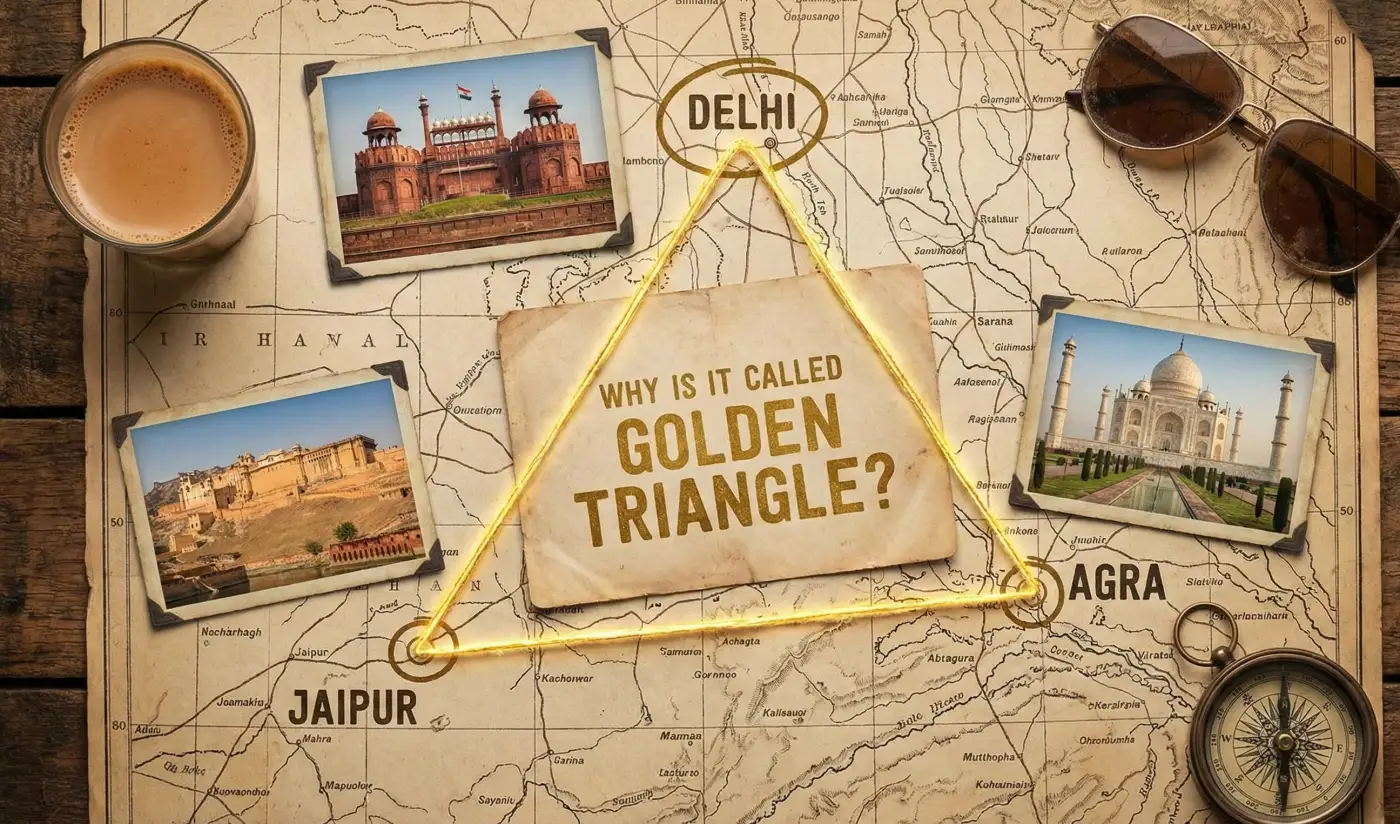
The “Golden Triangle” gets its name from the triangular shape formed on a map by connecting New Delhi, Agra, and Jaipur. These three cities form a rough equilateral triangle, about 200-250 km from each other. The “Golden” part refers to the extraordinary wealth of history, religious sights, and architectural grandeur found within this circuit.
Why Is It Called Golden Triangle? (Beyond the Map)
Sure, if you draw a line on Google Maps between the three cities, it looks like a triangle. But there is more to the golden triangle meaning than just geometry.
1. The “Golden” Era of History
This route covers the seats of power for the Mughals and the Maharajas. These guys had money. Serious money.
- Delhi: The political heart. Red sandstone forts and massive mosques.
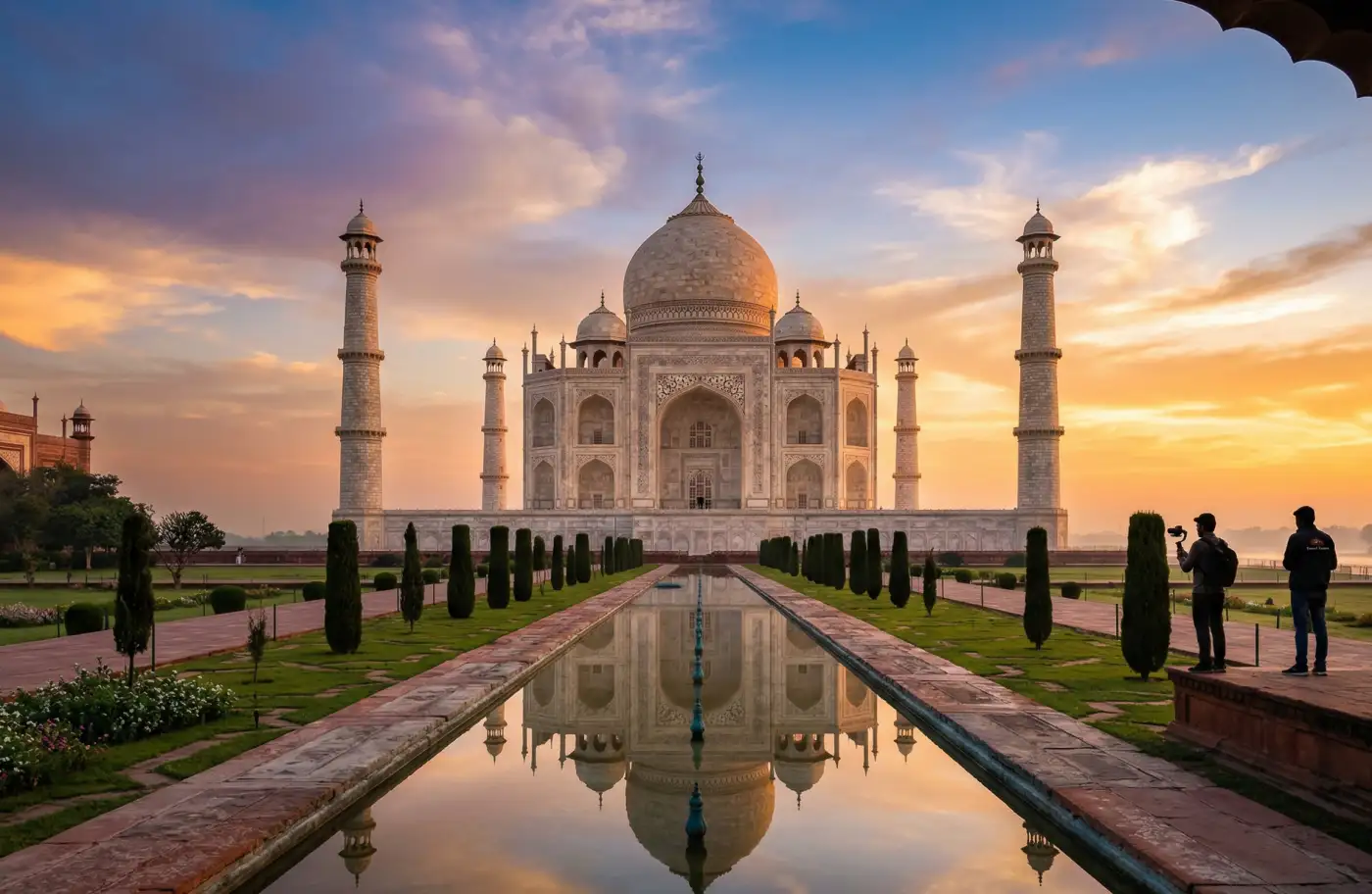
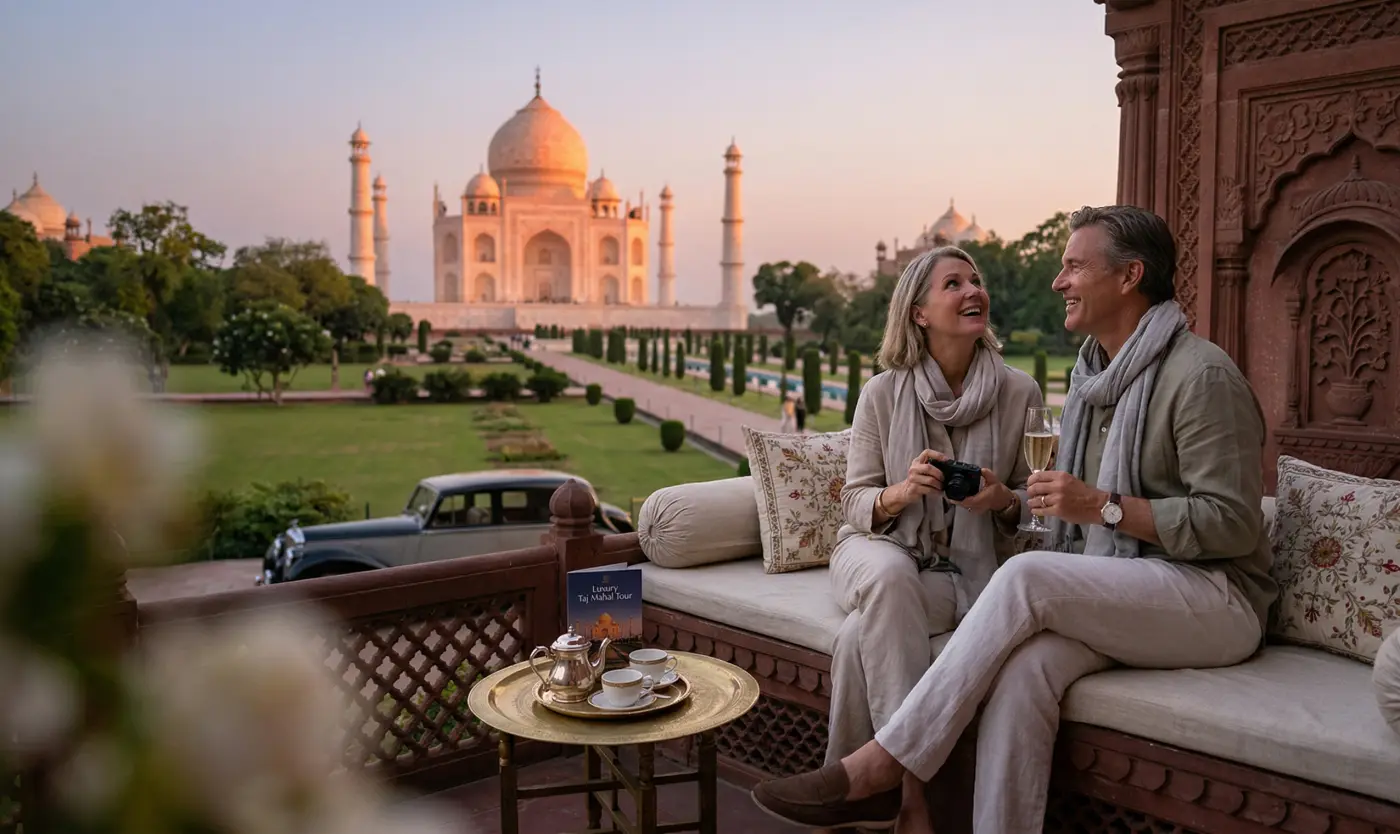
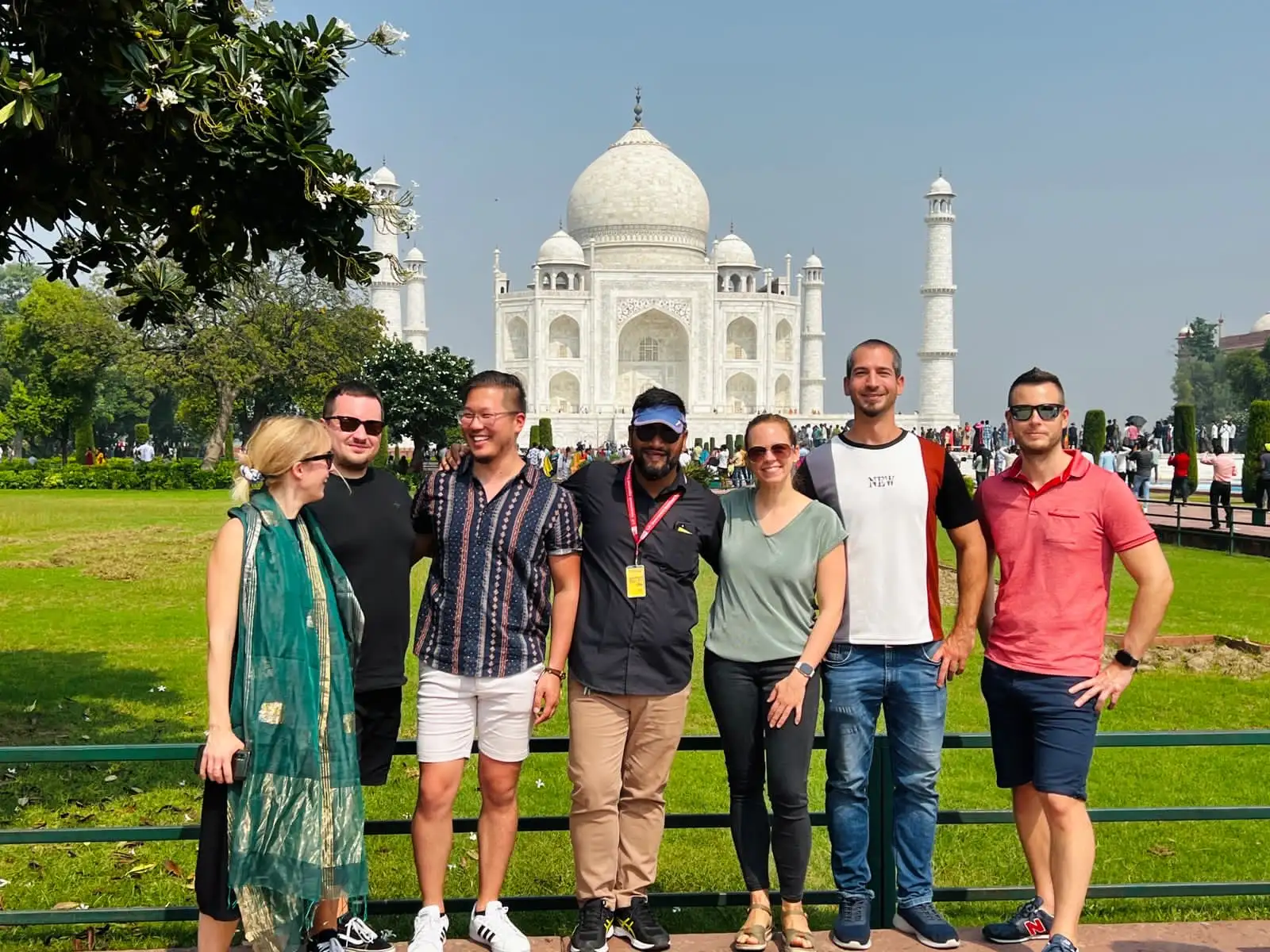
- Agra: The romantic heart. The Taj Mahal is literally white marble inlaid with semi-precious stones.
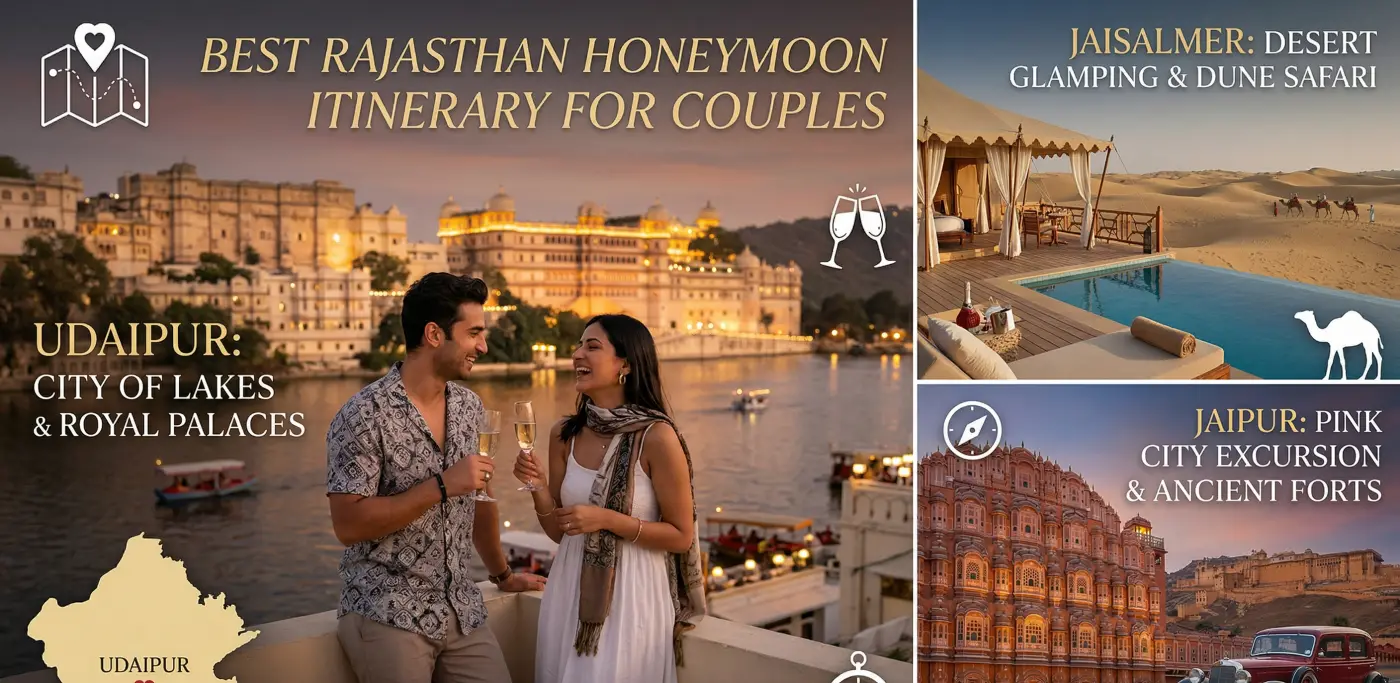
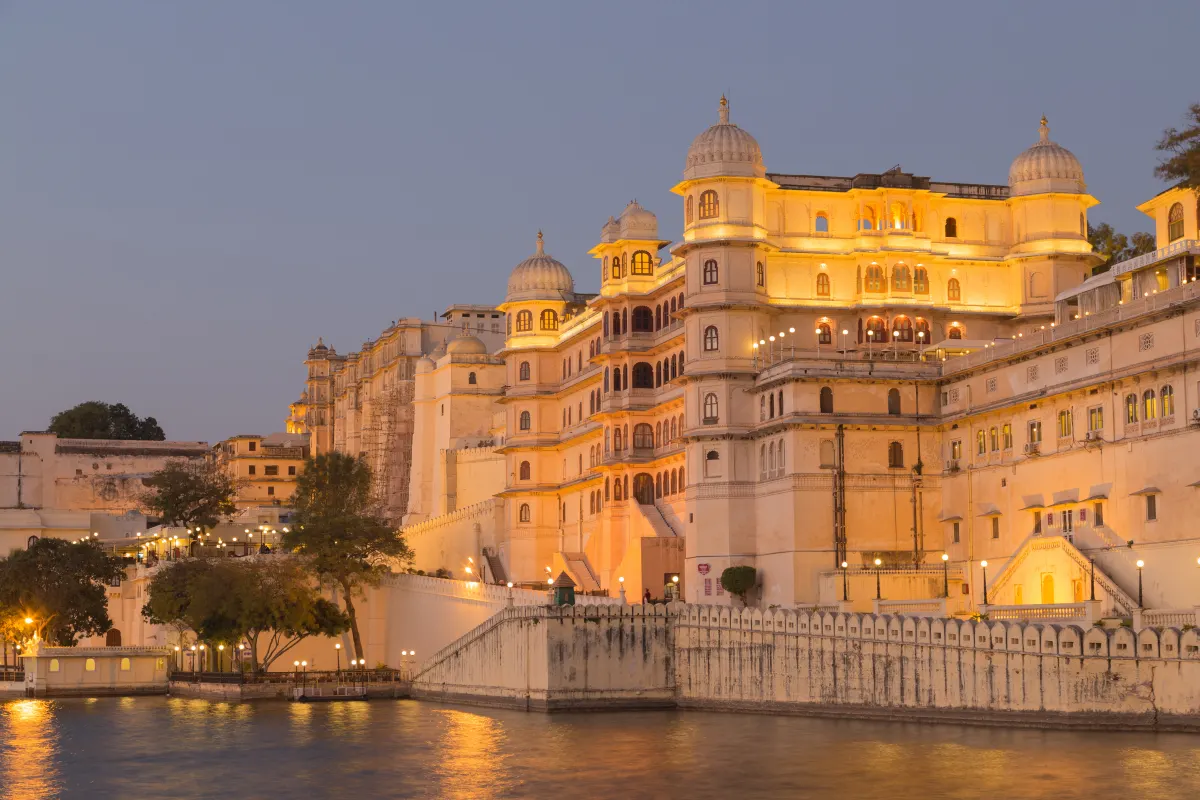
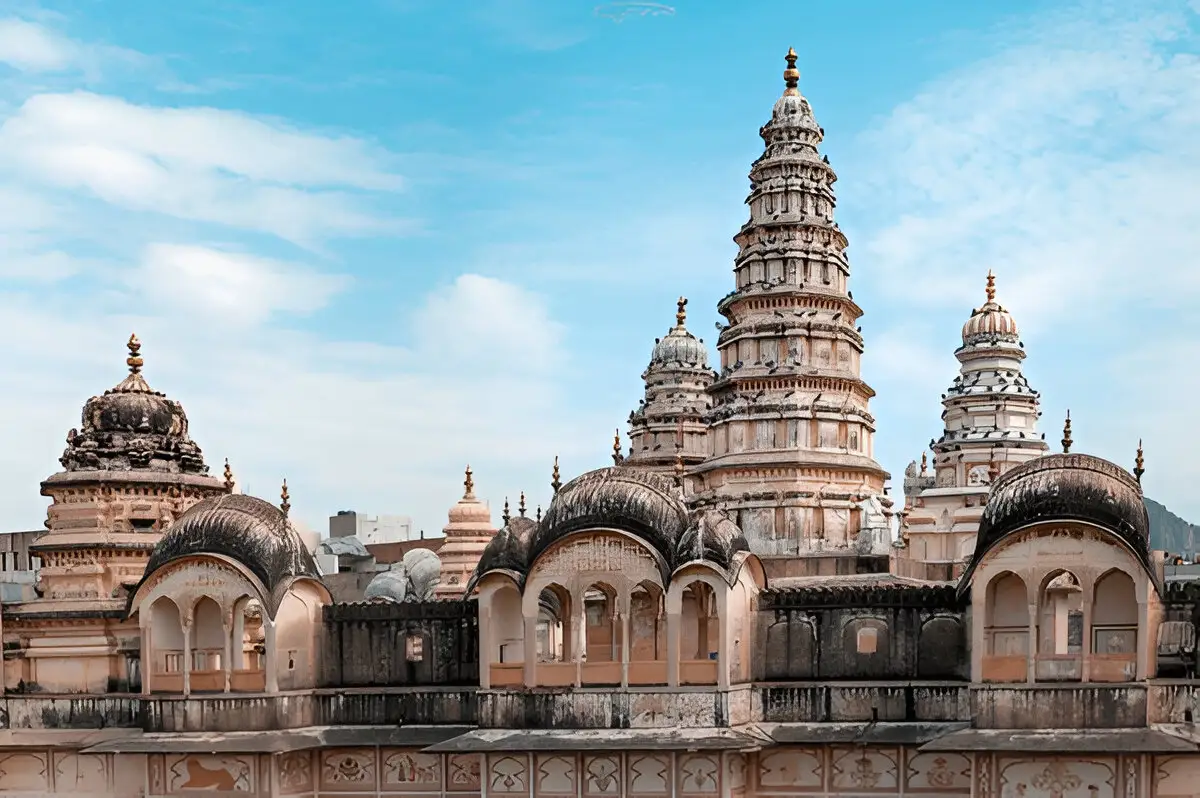
- Jaipur: The desert jewel. Palaces painted pink and forts that look like they grew out of the mountains.
When you drive this route, you are basically touring the bank account of medieval India.
2. The Landscape
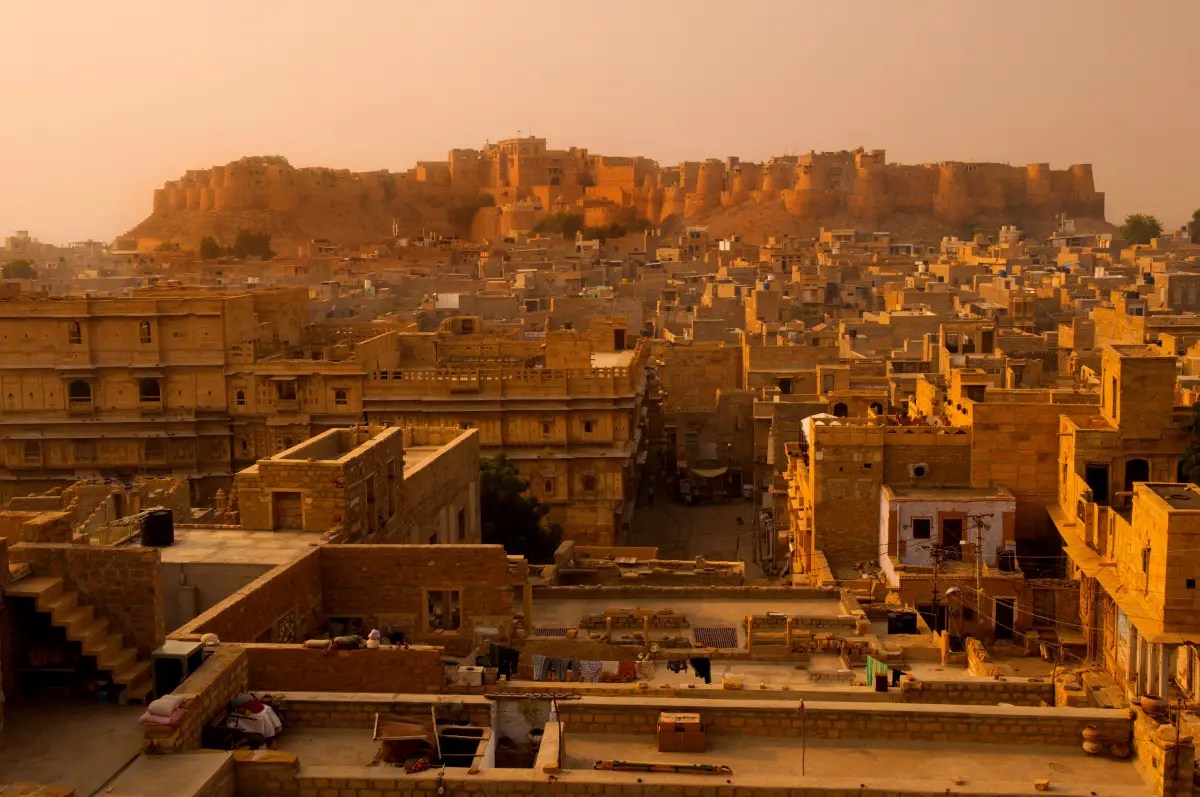
It’s dusty. Let’s be honest. The landscape between these cities isn’t lush green; it’s dry, arid, and golden-brown, especially in the summer. When the sun hits the Amber Fort in Jaipur or the sandstone walls of the Red Fort in Delhi at sunset, the whole world looks like it’s glowing gold.
3. The “India Triangle” Reality
For a first-timer, this is the starter pack. It gives you the full spectrum of India in just 5-6 days. You get the wide colonial boulevards of New Delhi, the rural chaos of the highways, the desert vibes of Rajasthan, and the river culture of the Yamuna in Agra.
💡 Local Tip: Don’t try to do all three cities in 3 days. I see people try it. They spend 80% of their time in a car and 20% actually seeing the “Golden” stuff. Give yourself at least 6 days.
🔷 THE “SCAM ALERT”
The “Golden” Shopping Trap Since this is the most famous tourist route, it is also the scam capital of the country.
Here is the classic move: Your driver (or a random “friendly student” on the street) will tell you about a “Government Cooperative Emporium.” They will say it’s the last day of a special “Golden Jubilee” sale.
The Lie: They claim the jewelry/carpets/pashminas are tax-free because it’s a government shop. The Truth: It is a private shop. The prices are marked up 300% to pay the driver’s commission. The “gold” is often polished brass, and the “antique” carpet was made last week.
Rule of Thumb: If a driver pushes you hard to visit a specific shop, refuse. Hard.
🟥 THE SOFT SELL
This route is incredible, but it is intense. The sensory overload is real. The Delhi Agra Jaipur facts you read online don’t mention the honking or the heat.
You can navigate the trains and rickshaws yourself—it’s a badge of honor. But if you want to see the Golden Triangle without the stress of arguing over taxi fares or wondering if your hotel actually exists, let us handle it. We offer private, safe cars with drivers who protect you from the scams, not drive you into them.
Check out our 6-Day Private Golden Triangle Tour.
🟠 FAQs
How far apart are the cities? Each leg of the triangle (Delhi to Agra, Agra to Jaipur, Jaipur to Delhi) is roughly 250 km. In India traffic, that translates to about 4 to 6 hours of driving per leg.
Is it safe for solo female travelers? Generally, yes. However, the route is very tourist-heavy, meaning you will get stared at and approached by touts. We recommend dressing modestly and avoiding isolated areas at night. A private driver adds a massive layer of safety.
What is the best time to visit? October to March. The weather is cool and dry. Avoid May and June unless you like 45°C (113°F) heat. The stones at the forts get so hot in summer they radiate heat.
Why is it called Golden Triangle if there is no gold? It is metaphorical. The “Gold” refers to the cultural wealth—the forts, palaces, and history—not actual gold mines. Though, you will see plenty of gold paint in the Jaipur City Palace!
🟤 CONCLUSION
So, why is it called Golden Triangle?
Because it’s the perfect shape of history, chaos, and beauty. It’s the route that introduces you to the madness of India and then rewards you with the most beautiful building in the world (The Taj) and the best food you’ll ever eat.
It’s loud, it’s dusty, and it’s completely unforgettable.
Still confused about the route? WhatsApp us. We are local, and we actually reply.