
Introduction
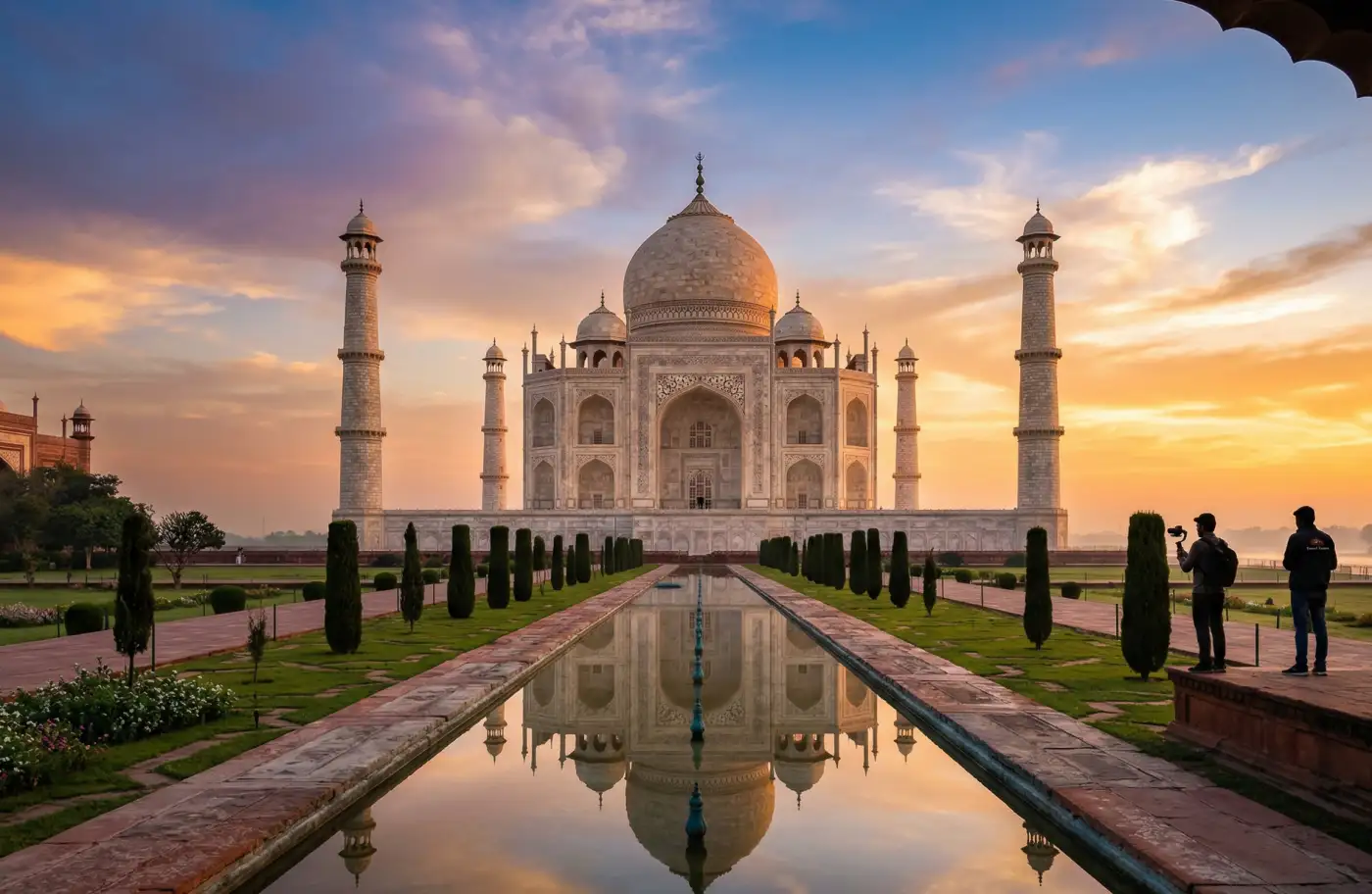
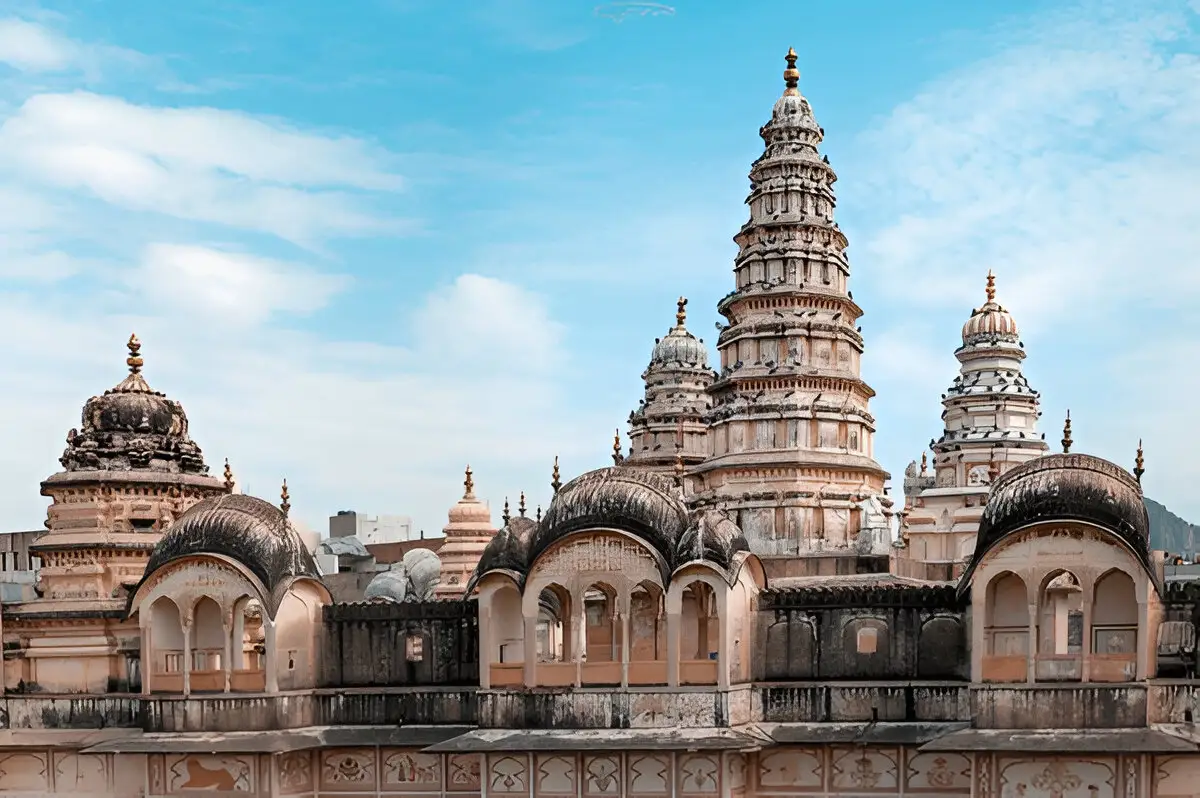
You have probably seen photos of the Taj Mahal looking serene, cool, and empty.
Let me tell you what those photos don’t show: The temperature.
India is not just “warm.” In May, the heat hits you like a physical slap in the face the moment you step out of the airport. I’m talking 45°C (113°F). Your shoes stick to the tarmac. The air smells of melting asphalt and dust.
But then, you have the monsoon where the streets flood, or the winter where the fog in Delhi is so thick you can’t see the hand in front of your face.
So, when is the actual best time to visit India without melting, freezing, or drowning?
Here is the honest breakdown. No sugar-coating.
The Short Answer (For the impatient)
What is the best time to visit India? The ideal time is from October to March. During these months, the weather in North India (Delhi, Agra, Jaipur) is dry, sunny, and pleasant (10°C–25°C). Avoid May and June completely unless you are heading to the Himalayas.
⚠️ The “Cheap Deal” Trap (Read This First)
Before we look at the calendar, I need to warn you about a common trap.
If you see a “Luxury Golden Triangle Tour” priced suspiciously low in May or June, do not book it.
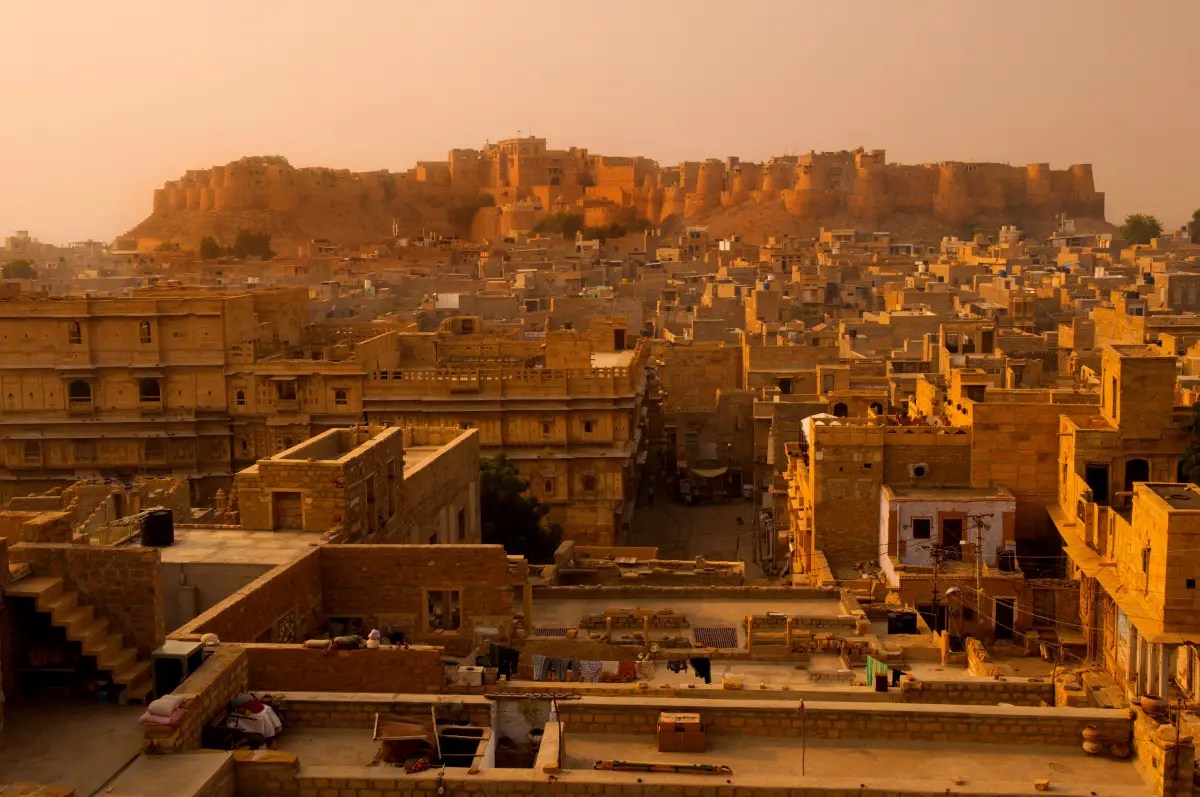
Agents love selling these months because hotels are empty and rates are rock bottom. But they won’t tell you why. They won’t tell you that the marble at the Taj Mahal gets so hot it burns your feet through your socks. They won’t tell you that walking around Jaipur Forts at 2 PM is dangerous due to heatstroke.
Don’t trade your health for a discount. If an agent pushes you to visit the desert in June without warning you, hang up.
Month-by-Month: The Honest Breakdown
India is a continent masquerading as a country. The weather in Kerala (South) is totally different from Kashmir (North). But assuming you are here for the classics—The Golden Triangle—here is what to expect.
1. The Peak Season: October to March (The “Goldilocks” Zone)
This is when everyone comes. And for good reason.
- The Vibe: The air is crisp. You can actually wear a light jacket in the evenings. The sun feels good on your skin rather than trying to kill you.
- The Pros: Perfect sightseeing weather. You can walk around Old Delhi for hours without sweating through your shirt.
- The Cons: Crowds. The Taj Mahal will be packed. Hotel prices are at their highest.
- What to Pack: Layers. It gets cold at night (5°C) in Dec/Jan.
Note on December/January: Be careful of Fog. In North India, thick fog often delays trains and flights by hours. If you are traveling then, keep your itinerary flexible.
2. The Shoulder Season: April & September (The Gamble)
If you want to save money and hate crowds, look at these two months.
- April: It’s getting hot (30°C-35°C), but it’s bearable if you finish your sightseeing by 11 AM.
- September: The monsoon is ending. Everything is lush green, the dust has settled, and the air smells like wet earth (Petrichor). It’s humid, but beautiful.
3. The “Oven” Season: May & June (Avoid!)
Unless you are going to Ladakh or the hill stations, stay away from the plains.
- The Reality: It is dangerously hot. The famous “Loo” winds blow—a dry, hot wind that dehydrates you in minutes.
- Who is this for? Only for those who love extreme heat or are on a strictly tight budget.
4. The Monsoon: July & August (The Wildcard)
It rains. A lot.
- The Good: The crowds vanish. Luxury hotels drop prices by 50%. The Rajasthan desert looks surreal under dark clouds.
- The Bad: Traffic in Delhi and Mumbai becomes a nightmare. Waterlogging is real. The humidity is like a warm blanket you can’t take off.
🖼️ The “Mistake” Everyone Makes
Visiting the Taj Mahal on a Friday.
It doesn’t matter if the weather is perfect. It doesn’t matter if it’s the best time of year. The Taj Mahal is closed on Fridays.
We have seen tourists land in Agra on a Thursday night, planning to visit the next morning, only to realize they can only see the gate. It’s heartbreaking.
Suggestion: [Image Suggestion: A calendar graphic showing ‘Friday’ crossed out in red over a picture of the Taj Mahal]
💡 Local Tip
The “Pollution” Window: If you have asthma or breathing issues, avoid Delhi in November. This is usually when crop burning in neighboring states causes smog levels to spike. Head straight to Rajasthan or the South instead.
Is it too confusing?
Planning a trip to India involves juggling weather, festivals, train schedules, and scams. You can do the research yourself—it’s doable, but exhausting.
Or, you can let us handle the logistics.
At Travel Indica, we don’t just book cars; we plan around the reality on the ground. We know which roads flood in July. We know which hotels have AC that actually works in May. We give you a “Bodyguard Driver” who keeps you safe, cool, and hassle-free.
- Check out our Golden Triangle Tour Packages for optimized itineraries.
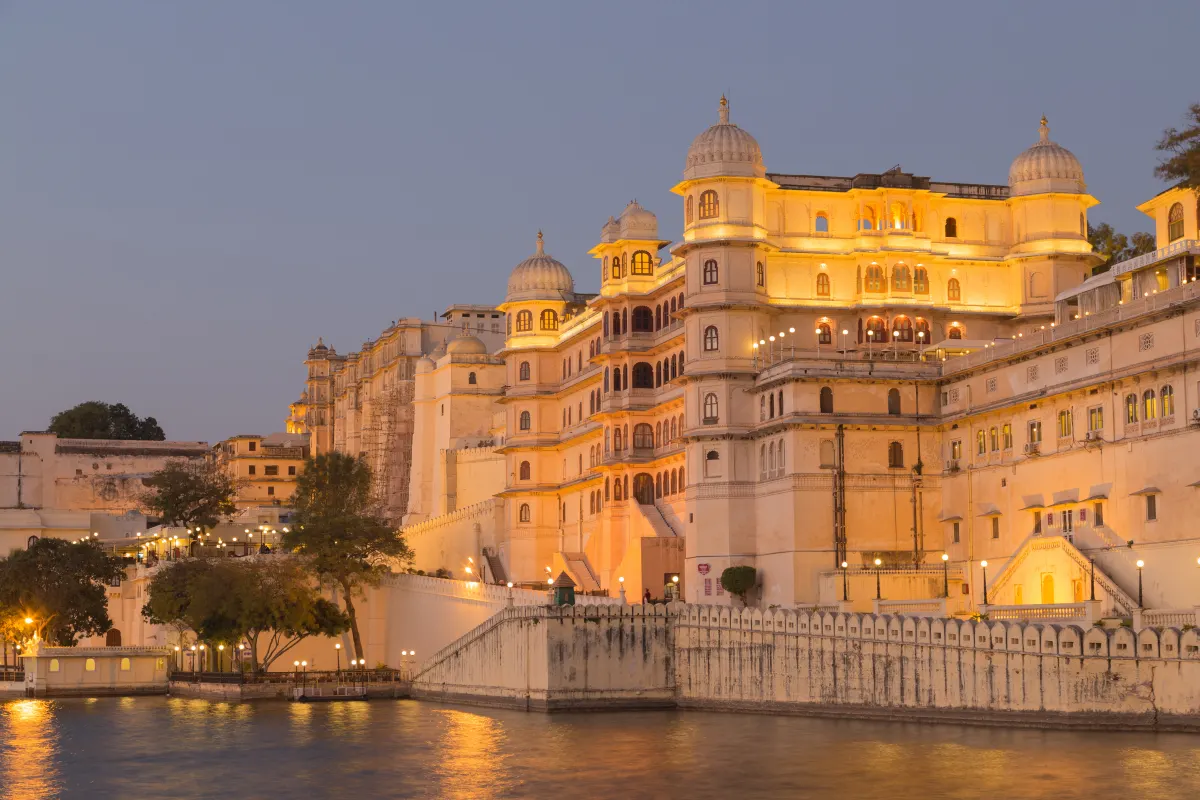
- Or see the Rajasthan Tour Packages if you want to escape the city smog.
FAQs
1. Which is the best month to visit India? The best months are November, February, and March. You get the perfect winter weather without the extreme fog of January or the lingering heat of October. It is sunny, dry, and ideal for photography.
2. Which month is too hot in India? May and June are the hottest months. In North India (Delhi, Agra, Jaipur), temperatures regularly exceed 45°C (113°F). Sightseeing becomes physically draining and dangerous due to heatstroke risks.
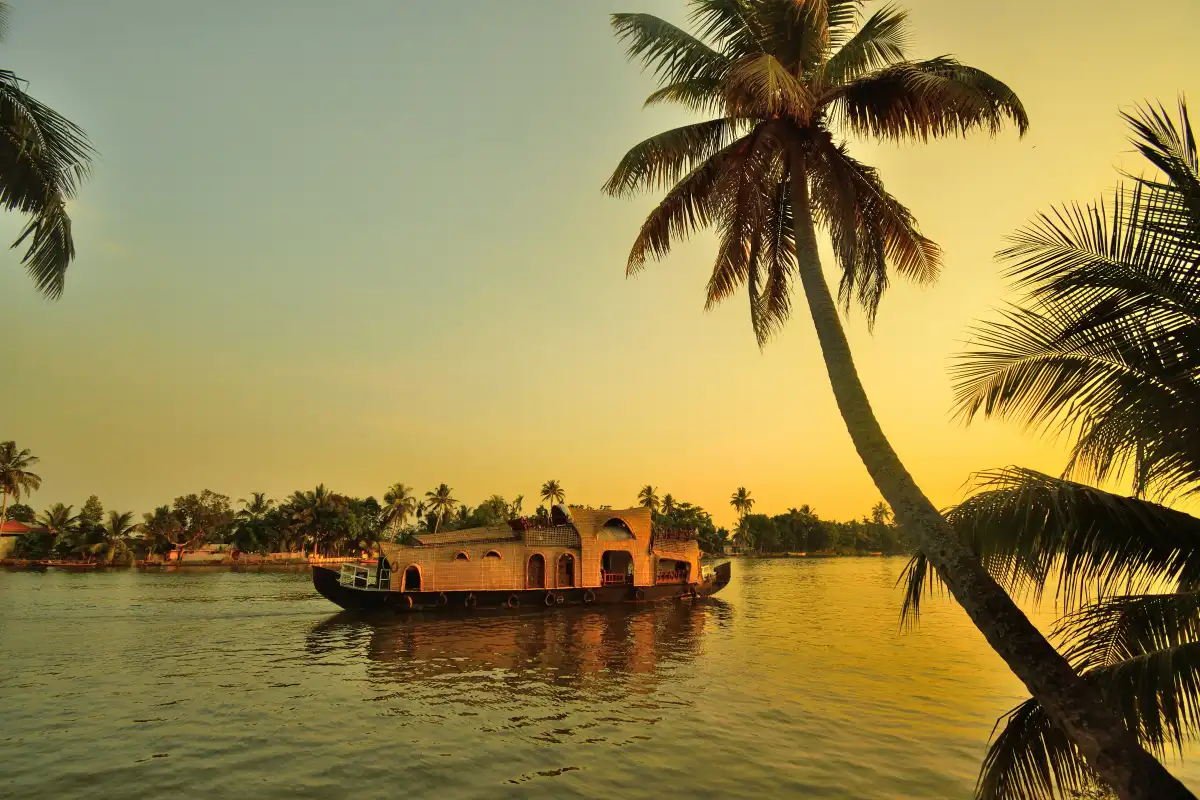
3. Is July a good time to visit India? July is monsoon season. While it is not ideal for the Golden Triangle due to humidity and rain, it is a great time to visit places like Ladakh (which is in a rain shadow) or Kerala for Ayurveda treatments.
4. When is the cheapest time to fly to India? The cheapest time is usually during the low season: May to September. Flight tickets and hotel rates drop significantly because of the heat and monsoon rains.
Final Thoughts
India is intense, no matter when you come.
If you come in summer, you deal with sweat. If you come in winter, you deal with crowds. But honestly? The chaos is part of the charm. Just pack the right clothes, carry a water bottle, and bring a sense of humor.
If you are still unsure about dates or need a custom plan that fits your tolerance for heat, don’t rely on generic advice. WhatsApp us directly. We are on the ground, and we will tell you the truth.