
Fatehpur Sikri Guide: Akbar's Ghost Capital
By the Travel Indica team, Agra · Updated 13 November 2026 · 4 min read
Short answer: Fatehpur Sikri is a UNESCO World Heritage Site about 40 km from Agra. Emperor Akbar built it as his capital and later left it. Allow 2 to 3 hours.
Written by the Travel Indica team in Agra. Last updated November 2026. Rules, timings and prices change, so check the official sources linked on this page before you travel.
Why Akbar built it, and why he left
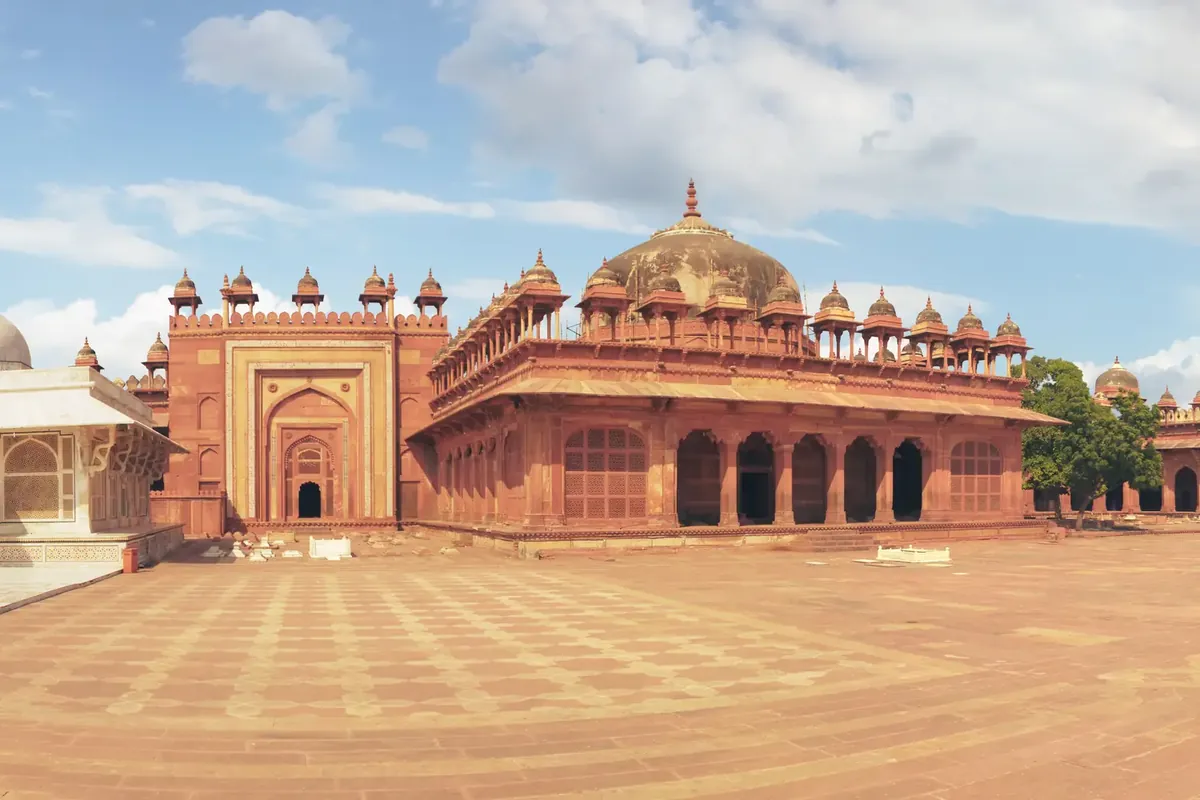
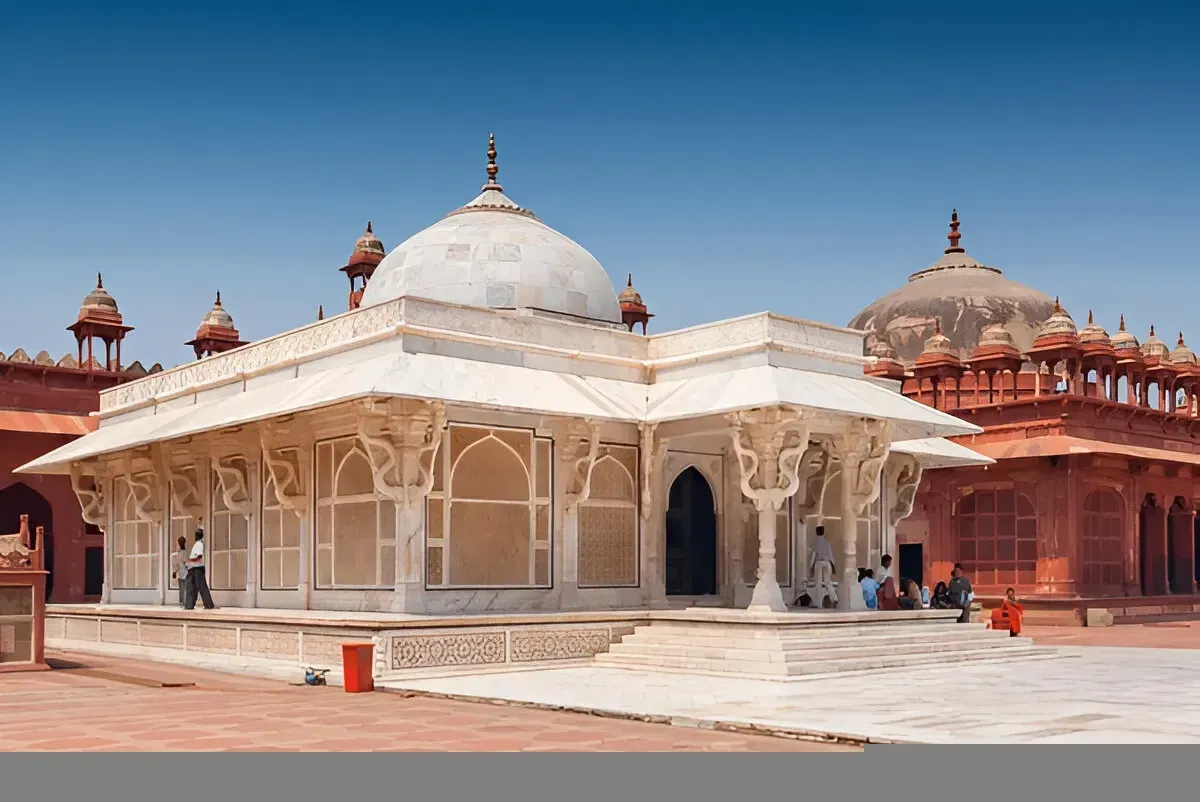
Emperor Akbar began building Fatehpur Sikri in about 1571. He had no surviving son, and he visited the Sufi saint Salim Chishti, who lived in the village of Sikri. After a son was born, Akbar chose to build his new capital beside the saint’s home. The city was the Mughal capital for roughly 14 years. It was then left, and the court moved on. A shortage of water is the reason most often given. The result is a red sandstone city that is very well preserved, because nobody built over it. It is a UNESCO World Heritage Site.
Where it is
Fatehpur Sikri is about 40 km from Agra, about an hour by road. It sits on the route toward Jaipur, so most visitors stop on the way. If you want to see it as a half-day trip from Agra, plan about two hours of driving and two to three hours on site.
What to see
| Place | What it is | Notes |
|---|---|---|
| Buland Darwaza | A huge gateway of the Jama Masjid | One of the tallest gateways in India |
| Jama Masjid | The congregational mosque | A large courtyard, and a calm place to sit |
| Tomb of Salim Chishti | White marble shrine | Remove shoes. Cover shoulders and knees |
| Panch Mahal | A five-storey pavilion | Open columns, designed for breezes |
| Diwan-i-Khas | Hall of private audience | A famous carved central pillar |
| Palace courtyards | Royal residences and halls | Look for the pachisi courtyard |
The site has two main areas. The palace complex, run as a monument, and the mosque and shrine area, which is a working place of worship. You may be asked to pay a ticket for the palace part and enter the mosque part separately.
Timings and tickets
The monument is usually open from sunrise to sunset. Prices and exact hours change, and the mosque and shrine have their own rules around prayer times, so check on the day. Carry some cash for entry and for a guide.
Beware of unofficial guides
The parking area is busy with touts, children selling trinkets and people who offer to be your guide. Some will say the road is closed or that you must take a shuttle. Say no politely. Book a guide in advance through your tour company or a trusted source. Read our guide to tourist traps in Agra and Delhi before you go.
What to wear and carry
Cover your shoulders and knees, especially for the mosque and shrine. You will walk on stone in the sun, so wear comfortable shoes that are easy to take off. Carry water, a hat and sun cream. A scarf helps if you want to cover your head at the tomb.
Best time to visit
Go in the morning, before the heat. From October to March the weather is pleasant all day. Between April and June, midday on the red stone is very hot. Late afternoon light is good for photographs, but you must leave enough time to reach Jaipur or Agra before dark.
How to fit it into your route
The most common plan is Agra to Jaipur with a stop here. Leave Agra early, reach Fatehpur Sikri before the crowds, spend two to three hours, then continue. Our Agra to Jaipur drive guide shows the timing. If you are comparing it with the Taj, read Taj Mahal to Fatehpur Sikri. Visit Agra Fort on another day for a fuller picture of Mughal Agra.
A simple walking route
Start at the palace complex while you are fresh. Walk through the courtyards, then the Panch Mahal and the Diwan-i-Khas. After that, go to the Jama Masjid, see the Buland Darwaza and finish at the tomb of Salim Chishti. Doing the palace first and the mosque second also keeps you out of the sun for the longest period. Your guide will know the best order on the day.
Photography tips
The red sandstone is best in low light, in the morning or late afternoon. The Buland Darwaza looks strongest from the courtyard steps. Ask before photographing people, especially at the shrine. Do not use a drone, as the site is protected.
Eating and facilities
There are small cafes and stalls near the entrance, and the choice is basic. Many tours stop for lunch in Agra or on the road. Carry water and a small snack. Toilets exist near the entrance, but standards vary.
Plan it with us
Send your dates on our plan your trip page. Fatehpur Sikri is included on many of our Golden Triangle tours, and we can add it to any Taj Mahal and Agra tour.
Frequently asked questions
How far is Fatehpur Sikri from Agra?
About 40 km, roughly an hour by road. It lies on the way to Jaipur.
How long should I spend there?
Allow 2 to 3 hours. Start early if you want to avoid the heat and the crowds.
Why did Akbar leave Fatehpur Sikri?
The court moved on after roughly 14 years. A shortage of water is the explanation most often given, though historians discuss other reasons too.
Do I need a guide?
A guide helps, because the site has few signs. Book one in advance and do not follow touts in the parking area.
What should I wear?
Cover your shoulders and knees, and wear shoes that are easy to remove. You walk on stone and must take shoes off at the shrine.
Our private tours include your own driver and guide.