🟡 THE HOOK
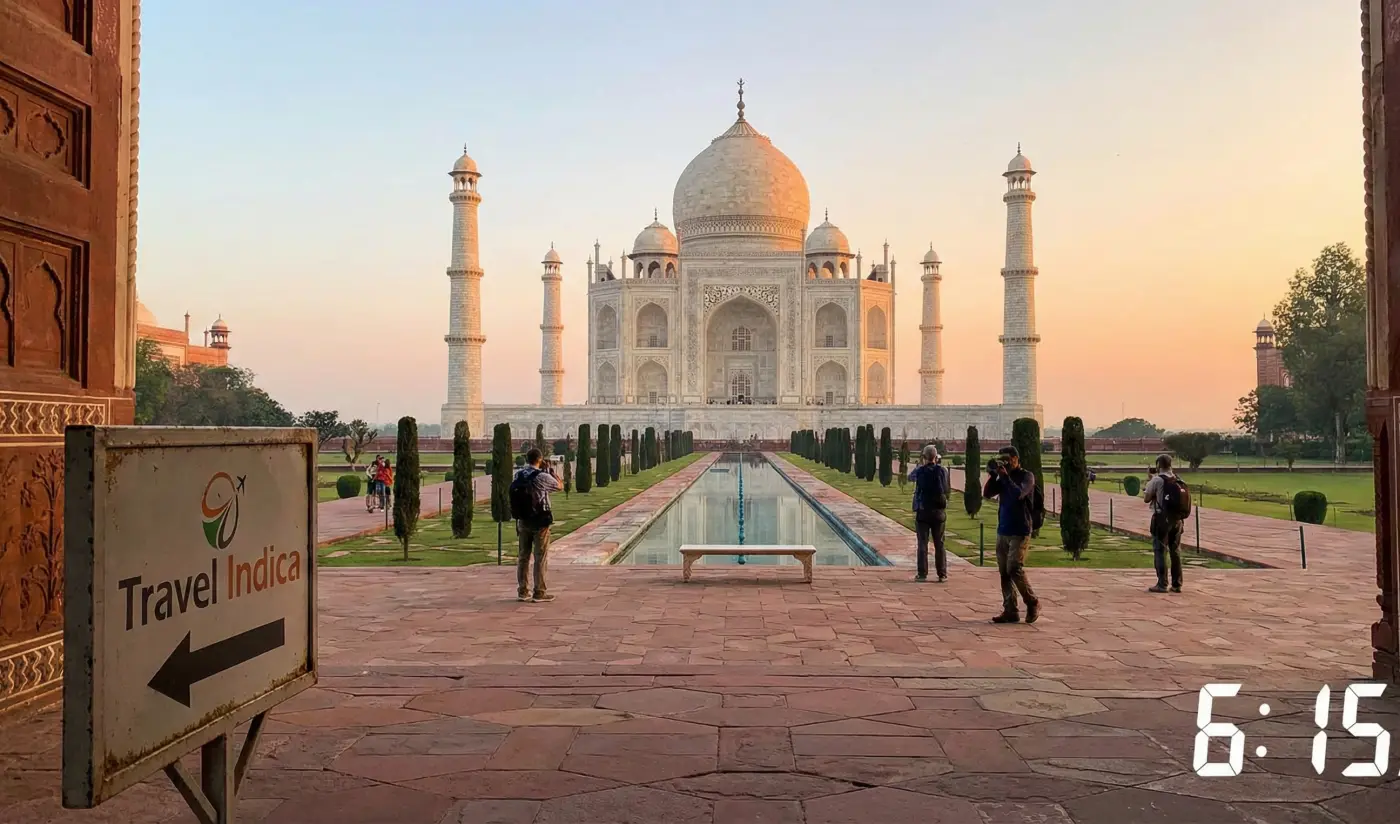
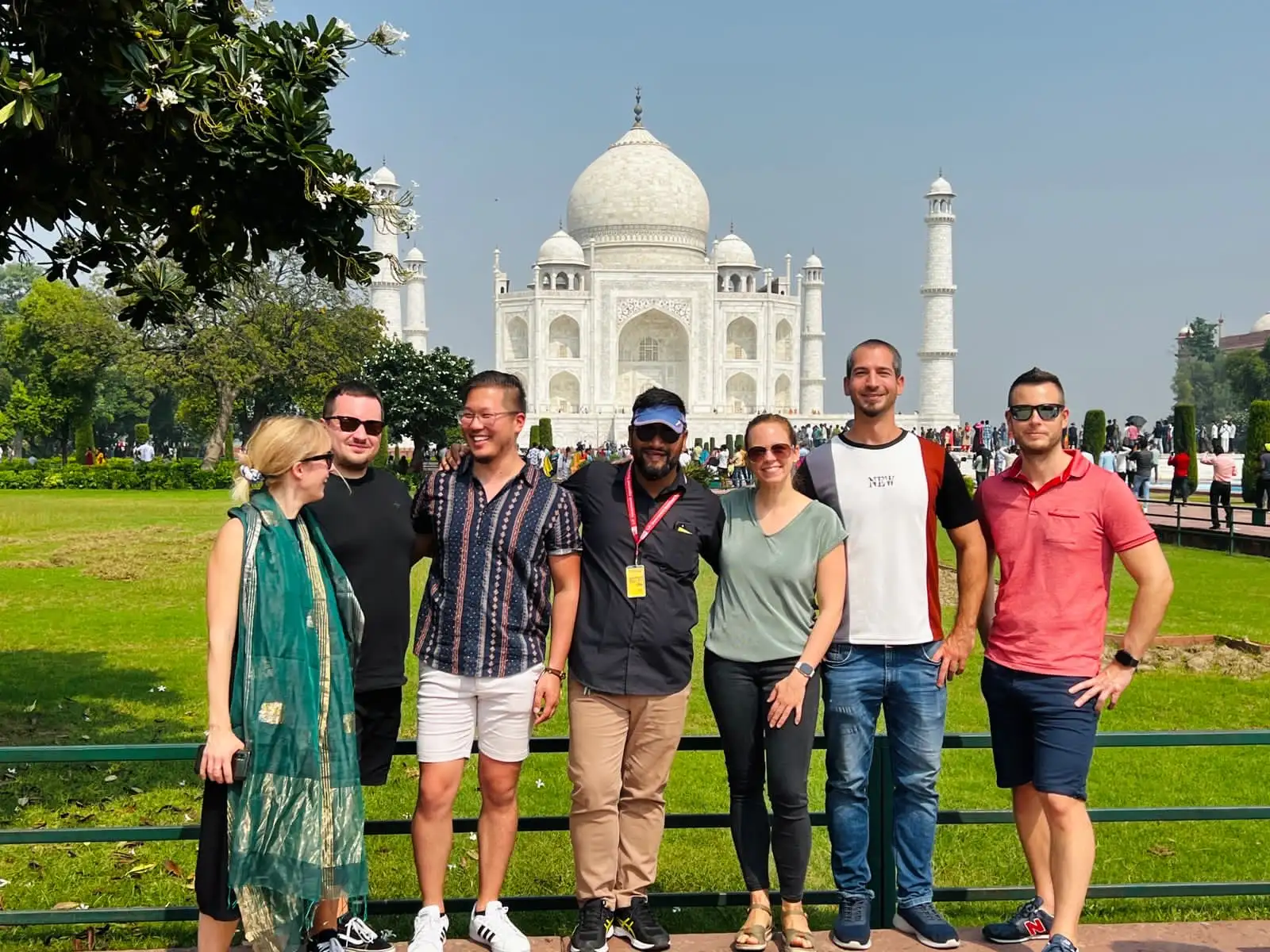
I once saw a tourist’s rubber soles literally melt and stick to the tarmac near the Taj Mahal. It was June. The air felt like opening a hot oven door, and the marble of the monument was so hot you could fry an egg on it.
India isn’t just “warm.” It’s extreme.
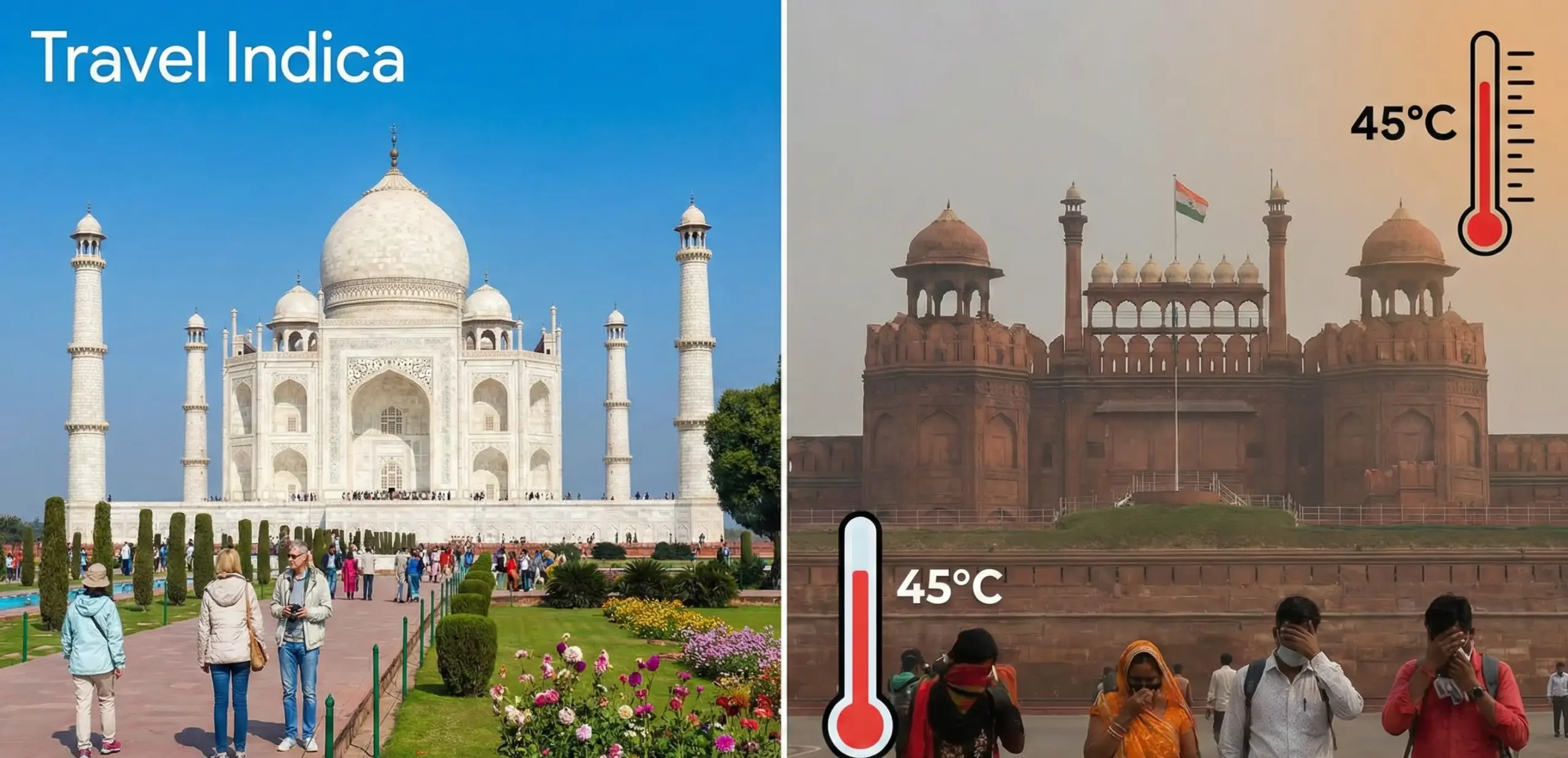
Most travel brochures show you blue skies and pleasant breezes. They don’t tell you about the thick grey smog in November that burns your eyes, or the humidity in July that makes your shirt stick to your back within five minutes. If you get the timing wrong, you won’t be looking at forts; you’ll be hunting for the nearest AC room.
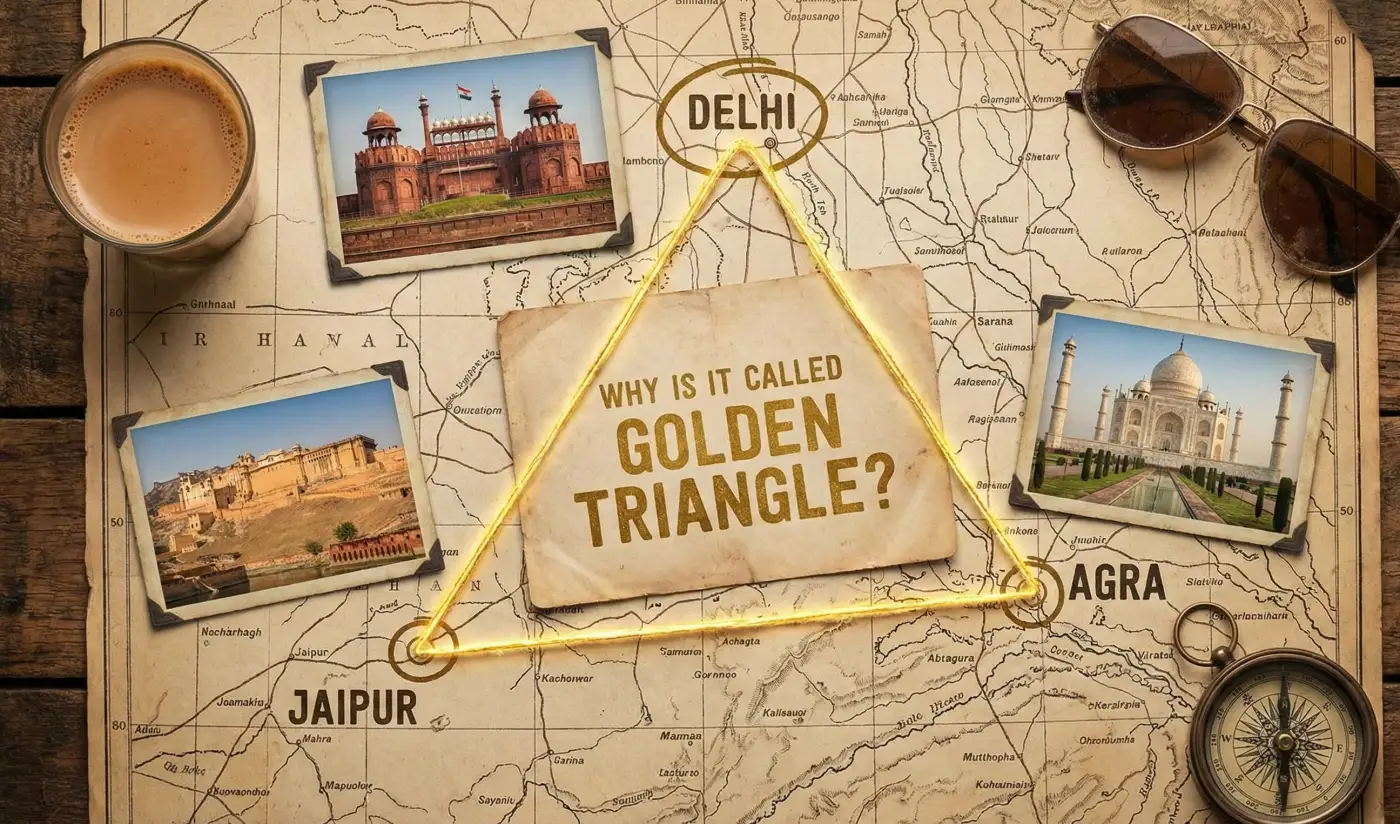
If you are planning your trip, figuring out the best month to visit Golden Triangle in India is the single most important decision you will make. Get this right, and it’s magic. Get it wrong, and it’s an endurance test.
The Short Answer (For the Skimmers)
What is the best time to visit?
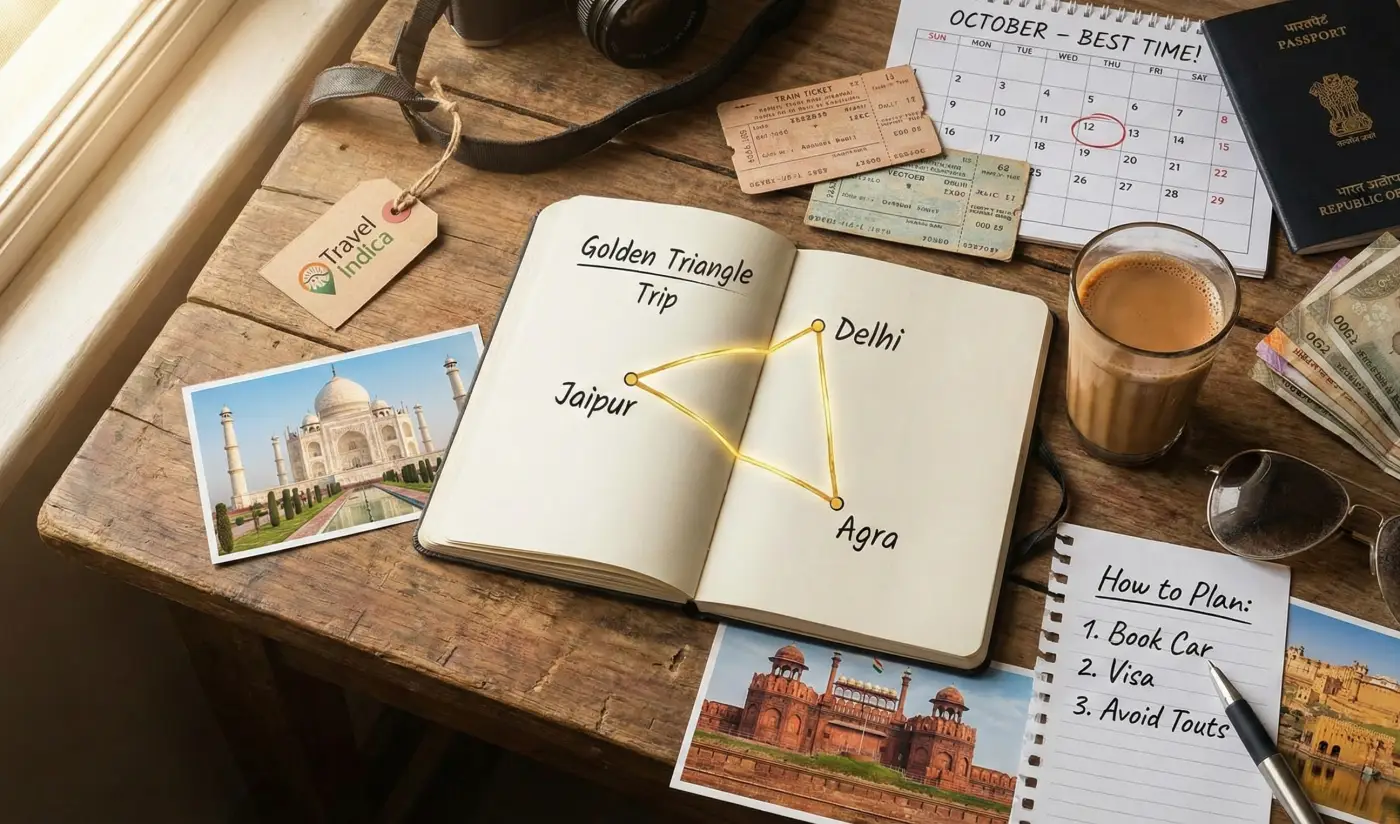
The ideal window is from October to March. During these months, the weather is dry, sunny, and cool (10°C–25°C). However, for the absolute perfect balance of low crowds and great weather, aim for February or March. Avoid May and June at all costs.
Breaking Down the Best Month to Visit Golden Triangle in India
Let’s be real about what “seasons” actually mean in North India. We don’t really have spring or autumn. We have “Hot,” “Wet,” and “Bearable.”
1. The Peak Season: October to March (The “Good” Time)
This is when everyone comes. The heat finally breaks. You can walk around the Red Fort in Delhi without getting heatstroke. The evenings are actually chilly—you will need a light jacket.
The “Truth” No One Tells You: While the temperature is perfect, the air quality in Delhi and Agra takes a nosedive in November and December. It smells like burning wood and rubber. Also, late December and January bring dense fog. I’ve seen trains delayed for 12 hours because the driver couldn’t see ten feet ahead.
- Internal Link: If you are coming in winter, check our Golden Triangle Tour Packages that use private cars (much more reliable than trains in fog).
2. The Shoulder Season: August & September (The “Green” Time)
The monsoon rains wash away the dust. The Taj Mahal looks sparkling white against dark grey clouds. It’s dramatic. The hotels are cheaper, and the crowds are thinner.
The “Truth”: It is humid. Very humid. You will sweat, but at least you won’t burn.
3. The Summer: April to June (The “Do Not Go” Time)
Unless you are on a strict budget or love suffering, skip this. Temperatures hit 45°C (113°F). The stones at Amber Fort get so hot they radiate heat through your shoes. The only people out at 2 PM are mad dogs and unaware tourists.
💡 Local Tip: If you are visiting the Taj Mahal in winter (Dec-Jan), do not go at sunrise. I know, the photos look great. But in reality, the fog is often so thick you can’t see the building until 10 AM. Sleep in, go later.
🔷 THE “SCAM ALERT”
The “Fog Cancellation” Scam This is rampant during the winter months.
Here is how it works: You land in Delhi. You get a taxi. The driver tells you, “Madam/Sir, the highway to Agra is closed because of heavy fog/accident/farmers’ protest.” He will pretend to call a “police officer” (his friend) to confirm it.
Then, he will suggest a “better” hotel in Delhi or a different tour agency to “fix” your itinerary.
The Reality: The Yamuna Expressway to Agra almost never closes completely. The Fix: Trust Google Maps. If Google says the road is blue, the road is open. Ignore the driver, tell him you have a non-refundable booking, and insist on driving.
🟥 THE SOFT SELL
Look, India is chaotic. The weather is unpredictable, the trains get delayed by fog, and the heat can be exhausting. You can absolutely do this trip alone—millions do. It’s an adventure.
But if you want to skip the stress of haggling for a taxi in 40-degree heat, or worrying if your train will actually arrive, we can handle the heavy lifting. We provide clean, cool AC cars, honest drivers who don’t play games, and guides who know exactly when to visit the monuments to miss the crowds.
Check out our Private Golden Triangle Tours here.
🟠 FAQs
What is the golden triangle weather like in December? It is cold comfortably during the day (20°C) but drops to single digits (5°C-8°C) at night. The main issue is the morning fog, which can disrupt travel plans. Pack layers and be flexible with timings.
Is it safe for a solo female traveler? Yes, but you need to be street-smart. Avoid walking alone in desolate areas after 9 PM. Dress modestly (shoulders and knees covered) to avoid unwanted stares. Hiring a reputable car and driver adds a massive layer of safety.
What is the golden triangle best season for low prices? April to September. Hotels slash their rates by up to 50% because of the heat or rain. If you can handle the humidity or high temperatures, you can stay in luxury palaces for the price of a standard hotel.
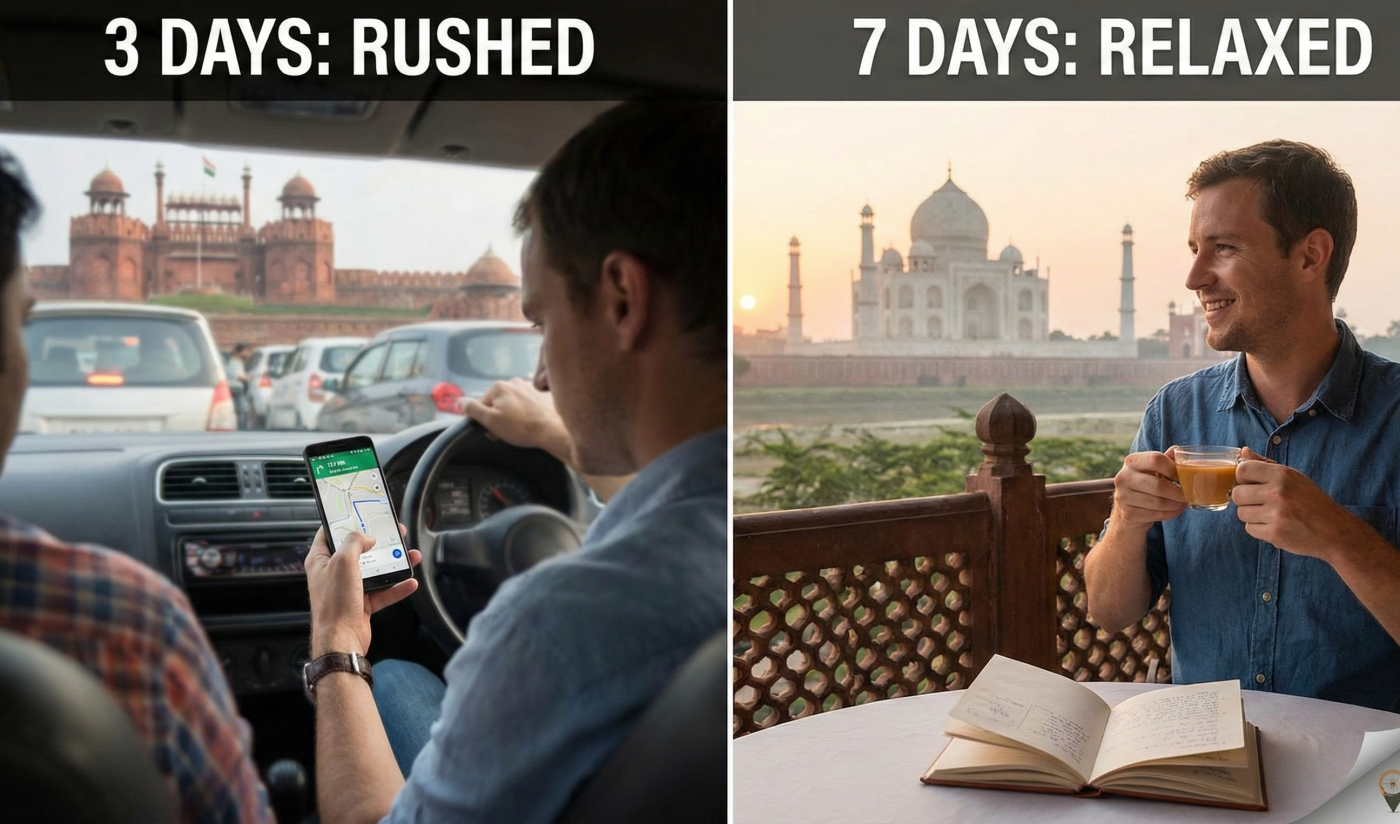
How many days do I need for this trip? Don’t rush it. While you can do it in 4 days, I recommend 6 to 7 days. This lets you actually see the cities rather than just spending your whole holiday sitting in a car on the highway.
🟤 CONCLUSION
So, when is the verdict?
If you want the absolute best month to visit Golden Triangle in India, aim for February. The winter fog is gone, the summer heat hasn’t started, and the flowers at the Mughal Gardens are in bloom. It’s the sweet spot.
India will challenge you, no matter when you come. It’s loud, it’s messy, and it’s beautiful. Come prepared, bring your sunglasses, and embrace the chaos.
Have questions about dates? WhatsApp us directly. We’re awake.