
Best Time to Visit Rajasthan, Month by Month
By the Travel Indica team, Agra · Updated 13 November 2026 · 4 min read
Short answer: October to March is the most comfortable. Summers are very hot and the monsoon is green but humid.
Written by the Travel Indica team in Agra. Last updated November 2026. Rules, timings and prices change, so check the official sources linked on this page before you travel.
The short version by season
Rajasthan has three clear seasons. Winter (November to February) is dry, sunny and comfortable by day. Summer (April to June) is very hot. The monsoon (July to September) brings rain, green hills and humidity. October and March sit in between, and both can work well if you accept some heat.
Month by month
| Months | What to expect | Good for | Watch out for |
|---|---|---|---|
| October | Monsoon has gone, days are still warm | Fewer crowds, festival season around Dussehra and Diwali | Afternoons can feel hot |
| November | Clear skies, mild days, cooler evenings | Forts, palaces, Pushkar, tiger safaris | Busy hotels around big festivals |
| December and January | Pleasant days, cold nights and mornings | Sightseeing all day, desert camps with a warm layer | Fog and cold mornings, desert nights can drop to single digits (Celsius) |
| February | Warming up, bright and dry | Desert festival season, long sightseeing days | Book early, this is still peak travel time |
| March | Warm days, rising heat late in the month | Holi, spring colour, fewer visitors | Midday sun gets strong by the end of the month |
| April to June | Very hot, often above 40 C, and desert towns can go higher | Low prices, empty monuments | Heat exhaustion, short outdoor days |
| July to September | Monsoon showers, green hills, humid air | Full lakes in Udaipur, quiet forts | Humidity, some roads and parks affected by rain |
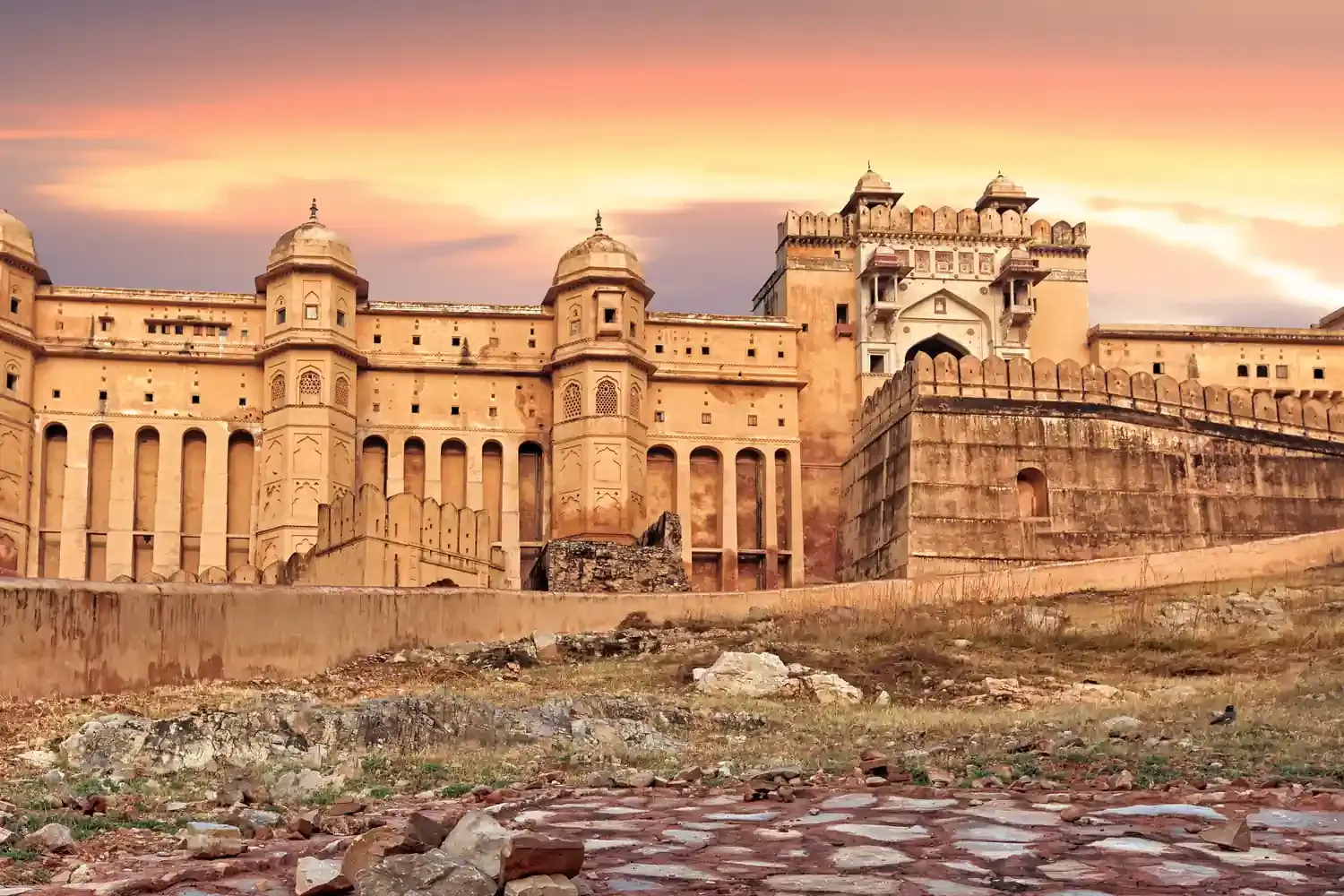
Best months for most first-time visitors
November to February is the safest choice. You can walk through forts at midday, drive between cities without the heat, and sleep comfortably in desert camps. Pack a warm layer for December and January mornings and evenings.
If you want fewer crowds, try October or March. Plan outdoor sights for the morning and late afternoon, and keep midday for lunch and rest.
Festivals and events that can shape your dates
- Pushkar Camel Fair: held in autumn around Kartik Purnima. Dates change each year. Read our Pushkar Camel Fair guide and check the official dates before you book.
- Desert festival season in Jaisalmer: usually in the cooler months. Confirm dates each year.
- Holi: in March, with the exact date set by the lunar calendar.
- Dussehra and Diwali: in autumn, with dates that change every year. Roads and markets get busy.
Festival dates move, so lock hotels early if one matters to you.
Can you visit in summer or the monsoon?
Yes, with a plan. In summer, start sightseeing at sunrise, return to the hotel at midday and go out again in the evening. Book hotels with air conditioning and a pool. In the monsoon, expect green scenery and fewer crowds, but also humidity and the chance of rain delays. Ranthambore National Park is closed during the monsoon, so wildlife trips need the cooler months. See our Ranthambore safari guide.
City notes
- Jaipur: works from October to March. Amber Fort is best early, before the tour buses.
- Jodhpur and Udaipur: good in the cool months. Udaipur looks best after the monsoon, when the lakes are full.
- Jaisalmer: the desert is at its best from November to February. Read about a Jaisalmer desert camp before you choose one.
- Pushkar and Ajmer: a short extension from Jaipur, especially in autumn.
How many days to allow
A short trip of 3 to 7 days works well on the Golden Triangle. For forts, palaces and desert, plan 7 to 14 days. If you are deciding between the two, read Golden Triangle or Rajasthan. For the whole of India, see the best time to visit India.
Packing and planning tips by season
In winter, bring a warm jacket, a scarf and closed shoes, because forts have stone floors and early mornings are cold. In summer, bring light cotton clothes, a hat, sunscreen and a refillable water bottle. In the monsoon, a light rain jacket and shoes that dry quickly are more useful than an umbrella. For all seasons, comfortable walking shoes matter most, since Rajasthan sights involve steps and long walks. See our India packing list by season.
Plan it with us
Tell us your dates and what you want to see on our plan your trip page. We suggest the best route for your month and send a written quote. You can also browse our Rajasthan tours.
Frequently asked questions
What is the best month to visit Rajasthan?
November to February is the most comfortable for sightseeing. October and March also work if you plan around the heat.
Is Rajasthan too hot in summer?
Yes. From April to June temperatures are often above 40 C, and desert towns can be hotter. Plan outdoor sights for early morning and evening.
Is the monsoon a bad time for Rajasthan?
Not necessarily. It is green and quiet, but humid, and Ranthambore National Park is closed during the monsoon.
Will it be cold in Rajasthan in winter?
Days are pleasant, but nights and early mornings can be cold, especially in the desert. Pack a warm jacket for December and January.
When is the Pushkar Camel Fair?
It is held in autumn around Kartik Purnima. Dates change each year, so check the official dates before you book.
Our private tours include your own driver and guide.