Introduction
India is often described as a country of contrasts, but that idea only truly makes sense when you experience more than one region. Many travelers begin with the Golden Triangle — Delhi, Agra, and Jaipur — because it offers a strong introduction to history, architecture, and culture. However, after a few days of busy cities and monuments, a different kind of experience starts to feel appealing.
This is where Kerala enters the picture.
A Golden Triangle with Kerala tour combines two completely different sides of India in a single journey. On one side, you have grand forts, Mughal architecture, and vibrant city life. On the other, you have calm backwaters, greenery, and a slower pace.
Planning such a trip can feel overwhelming at first because it involves covering distant regions. But when structured properly, it becomes one of the most balanced travel experiences you can have in India.
Why Combine the Golden Triangle with Kerala
At first, the combination might seem unusual. North India and South India have different climates, cultures, and even food styles. But that difference is exactly what makes the journey interesting.
The Golden Triangle introduces you to India’s historical depth. You see monuments like the Taj Mahal, explore forts in Jaipur, and experience the energy of Delhi.
Kerala, in contrast, offers a break from that intensity. It is quieter, greener, and more relaxed. The transition from one region to another feels like shifting from a fast-paced city life to a calm retreat.
This balance is what makes the itinerary appealing for travelers who want more than just sightseeing.
Ideal Duration for This Tour
Because the journey covers multiple regions, it is important to allocate enough time.
A comfortable duration is usually 9 to 12 days. Anything shorter can feel rushed, especially when you include travel between North and South India.
Instead of trying to fit everything into a tight schedule, it is better to allow each destination some breathing space.
Suggested Golden Triangle with Kerala Itinerary
Day 1: Arrival in Delhi
Your journey typically begins in Delhi.
After arrival, it is best to keep the first day light. You can check into your hotel, rest, and perhaps take a short walk nearby. This helps you adjust without feeling overwhelmed.
Day 2: Delhi Exploration
Delhi offers a mix of old and new.
You might visit historical sites like India Gate, Humayun’s Tomb, or explore parts of Old Delhi. The contrast between modern roads and traditional markets gives you an early sense of India’s diversity.
Day 3: Delhi to Agra
The next stop is Agra.
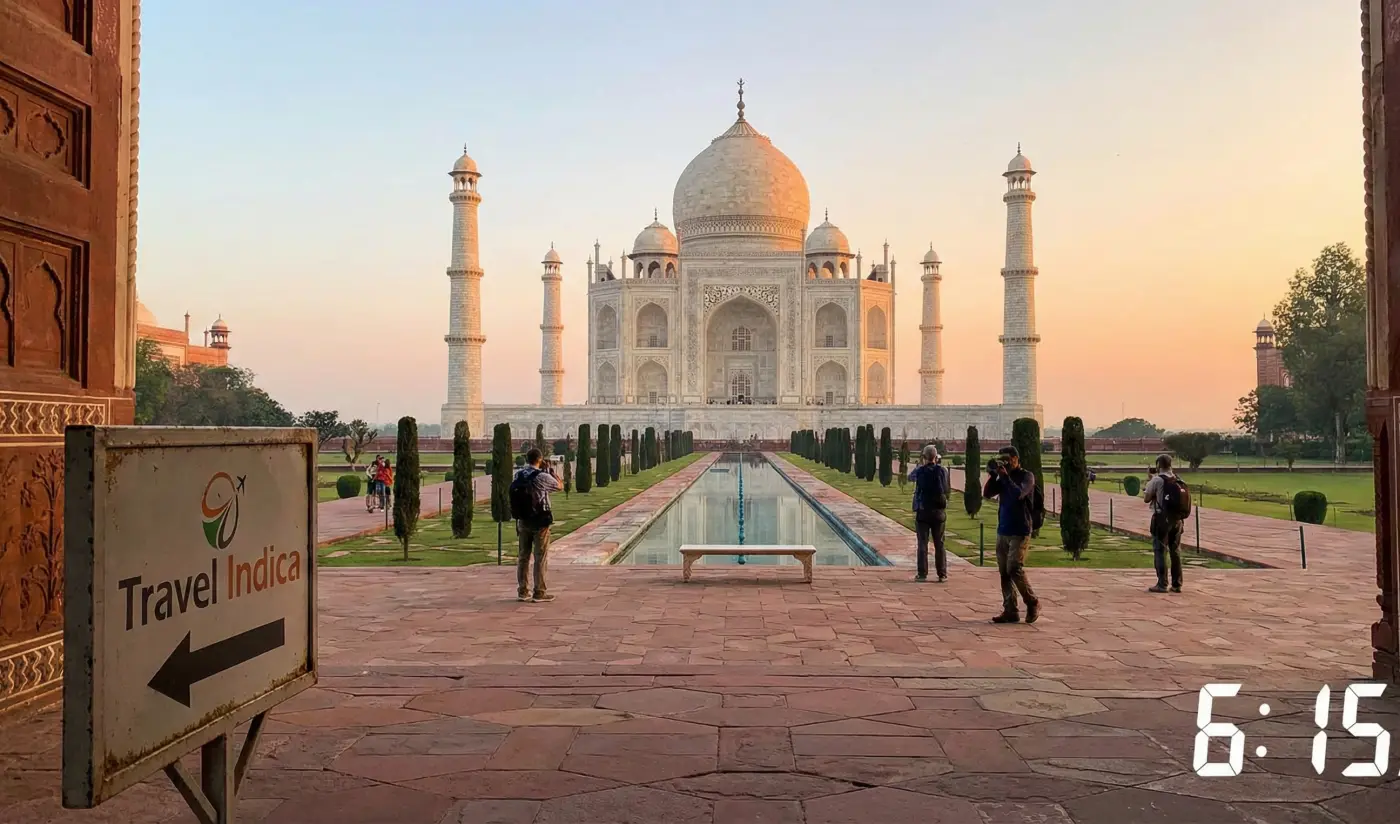
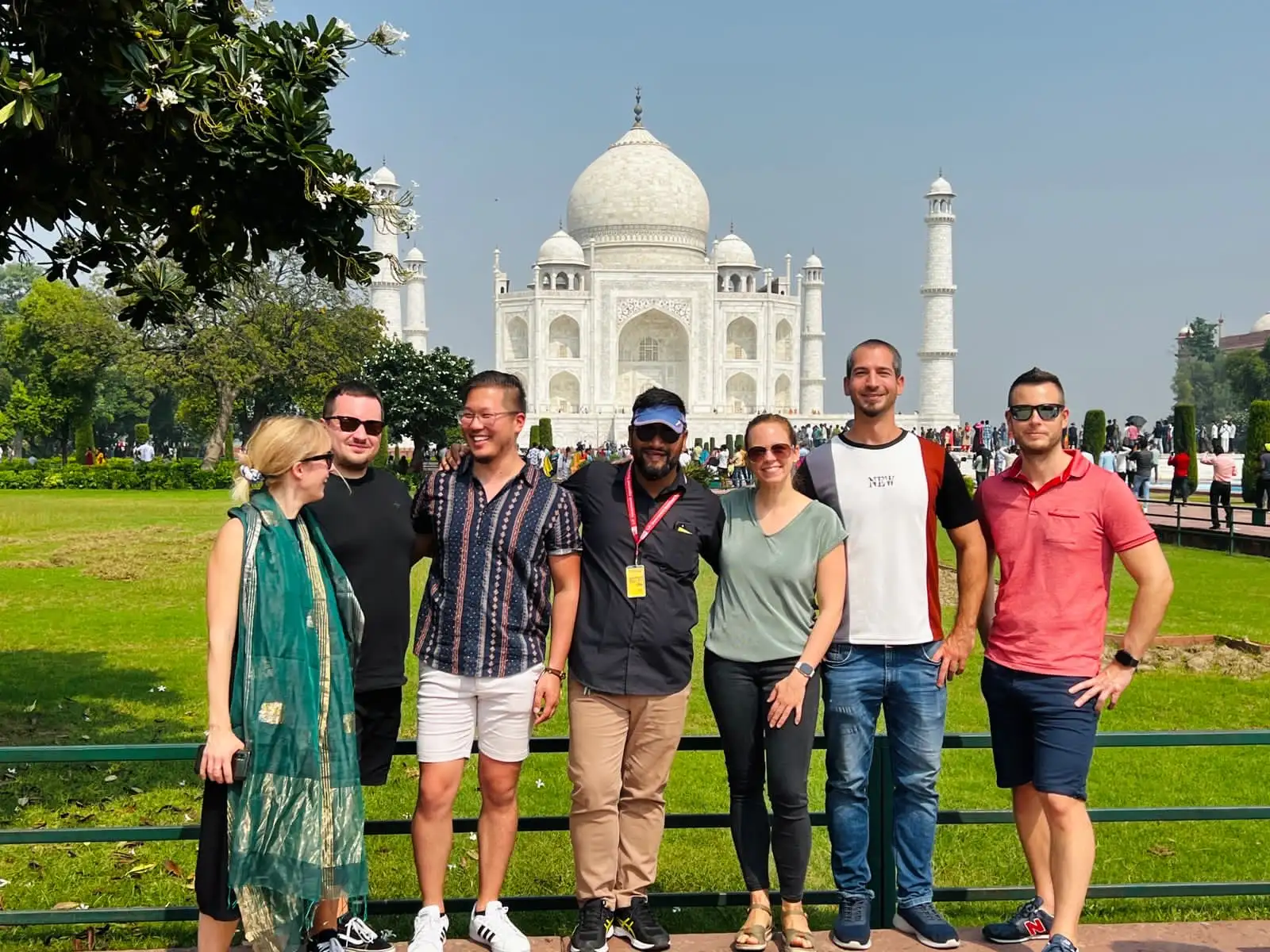
The highlight here is the Taj Mahal. Visiting early in the morning can make a noticeable difference, as the atmosphere is calmer and less crowded.
Agra Fort is another important site that adds context to the Mughal era.
Day 4: Agra to Jaipur
The journey continues to Jaipur.
On the way, some itineraries include a stop at Fatehpur Sikri, which is worth exploring if time allows. By the time you reach Jaipur, the environment starts to feel more colorful and lively.
Day 5: Jaipur Sightseeing
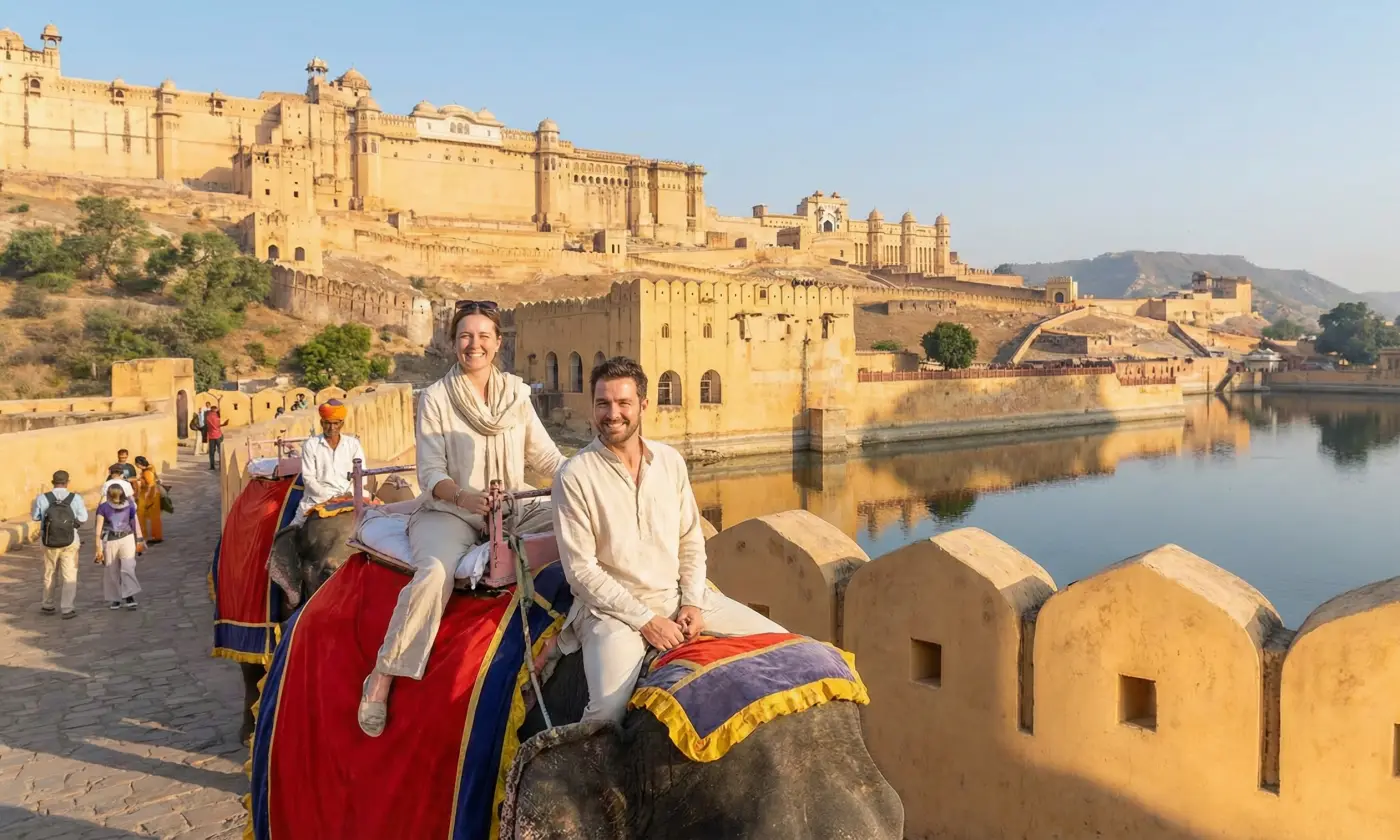
Jaipur is known for its forts and palaces.
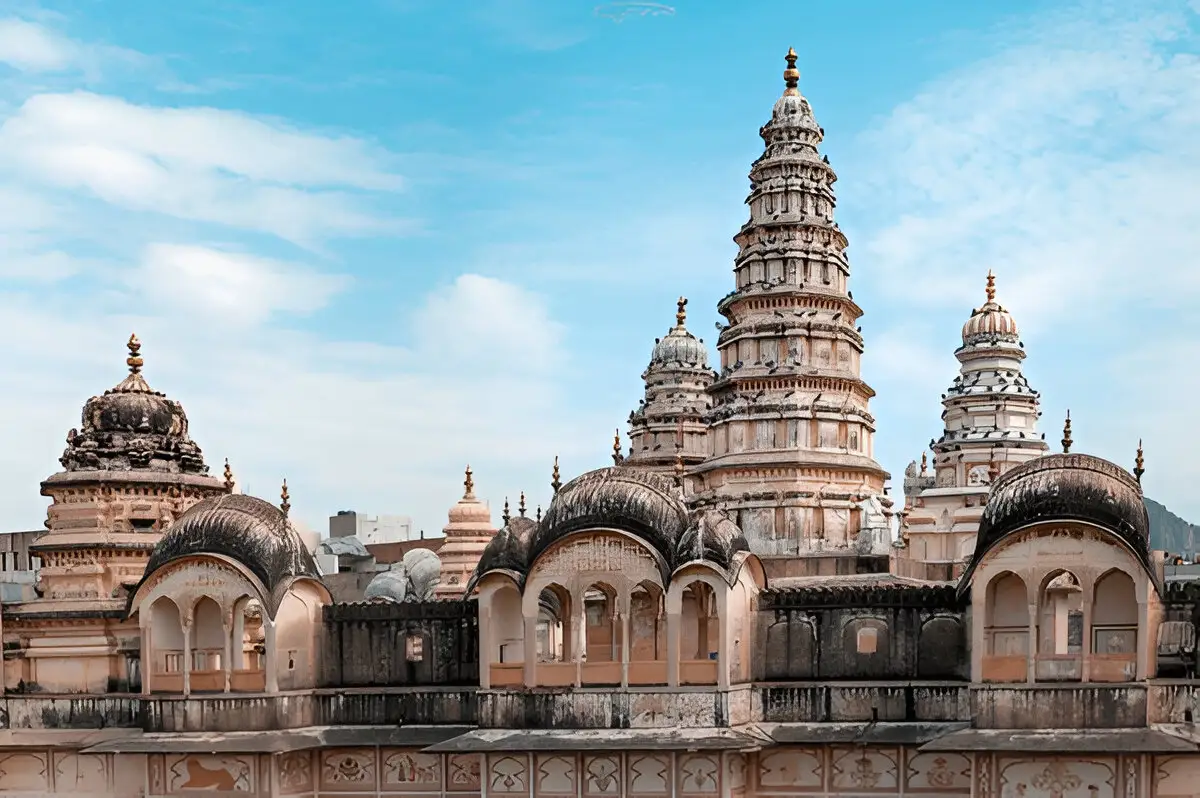
Amber Fort, City Palace, and Hawa Mahal are common stops, but what makes Jaipur interesting is the overall experience — the architecture, the markets, and the atmosphere.
Day 6: Travel to Kerala
This is where the journey shifts.
You usually take a flight from Jaipur or Delhi to Kerala, often landing in Kochi. The change in scenery is immediate. The dry landscapes of Rajasthan are replaced by greenery and water.
Day 7: Kochi Exploration
Kochi is a mix of history and coastal charm.
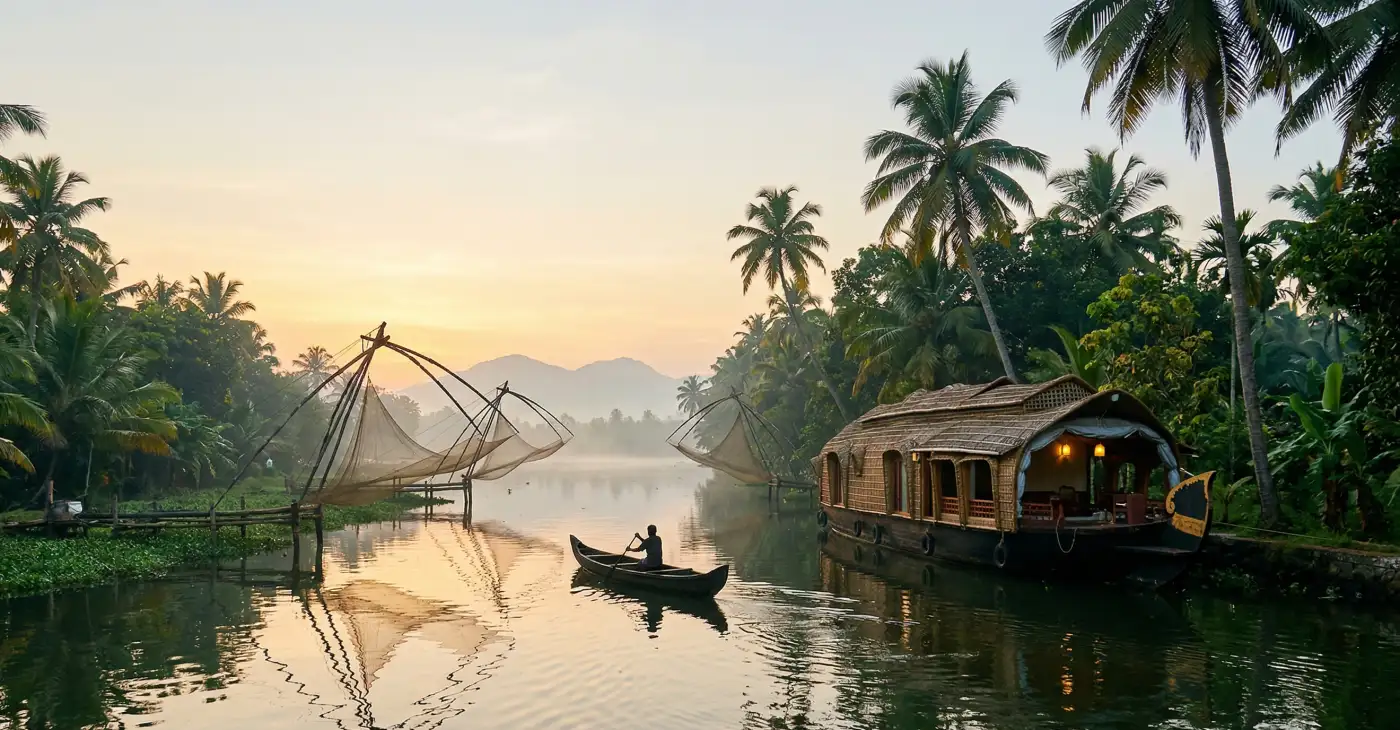
You can explore Fort Kochi, see Chinese fishing nets, and walk through streets that feel very different from North India.
Day 8: Kochi to Munnar
From Kochi, the journey continues to Munnar.
The drive itself becomes part of the experience, with hills, tea plantations, and changing landscapes. Munnar is known for its cool weather and scenic views.
Day 9: Munnar Leisure
This day is usually more relaxed.
You can explore tea gardens, take short walks, or simply enjoy the surroundings. The pace here is noticeably slower compared to the Golden Triangle.
Day 10: Munnar to Alleppey
Next comes Alleppey, famous for its backwaters.
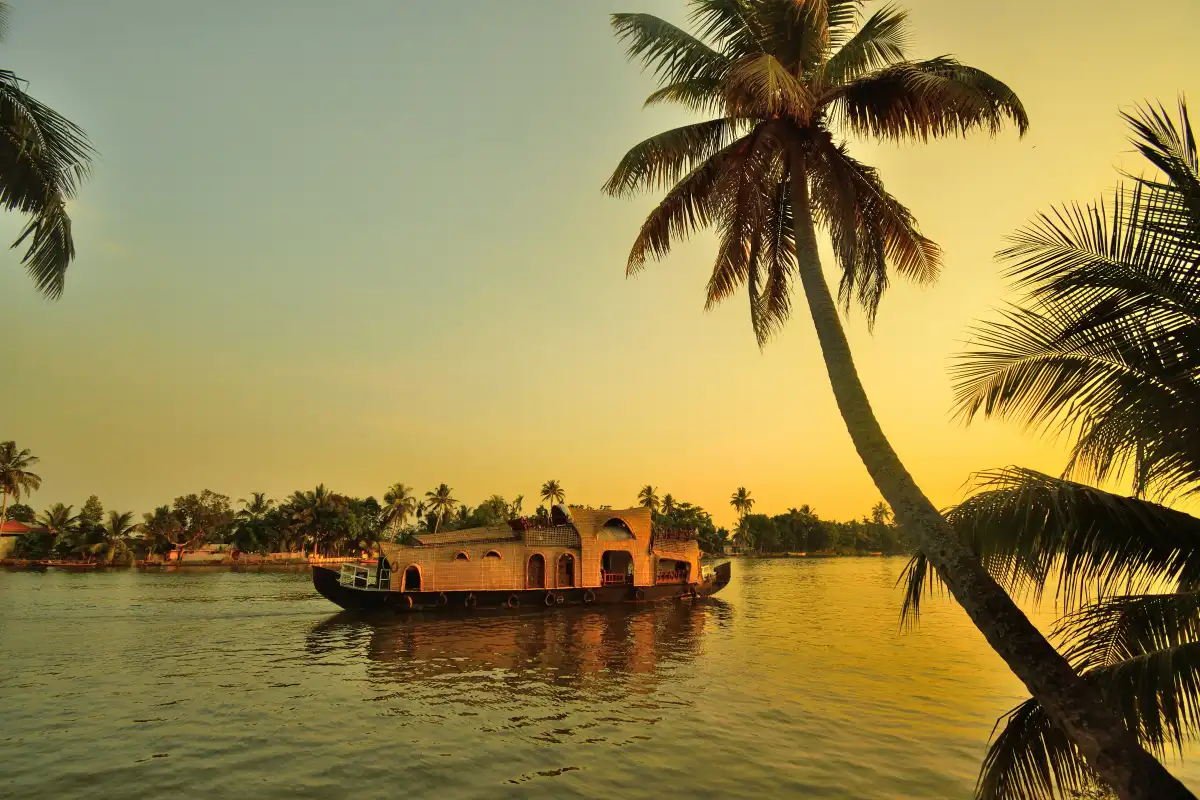
This is where many travelers choose a houseboat stay. It is a unique experience where you spend time on the water, moving slowly through canals and villages.
Day 11: Backwater Experience
A houseboat stay is often the highlight of the Kerala part of the journey.
There is no rush. You eat, relax, and watch life pass by along the water. It feels very different from traditional sightseeing.
Day 12: Departure
Your journey usually ends with a transfer to Kochi or another nearby airport.
By this point, the contrast between North and South India becomes very clear, making the overall experience feel complete.
What Makes This Tour Special
One of the most interesting aspects of this itinerary is the variety.
In just one trip, you experience:
- Mughal architecture in Agra
- Royal heritage in Jaipur
- Urban contrast in Delhi
- Natural beauty in Munnar
- Backwaters in Alleppey
Few travel routes offer this level of diversity without feeling disconnected.
Travel Considerations
Plan Transitions Carefully
The shift from North India to Kerala requires a flight. A well-planned itinerary ensures that this transition feels smooth rather than tiring.
Avoid Overpacking the Schedule
Trying to add too many destinations can reduce the quality of the experience. It is better to focus on fewer places and enjoy them properly.
Choose Comfortable Stays
Accommodation plays an important role, especially in Kerala, where the experience is closely tied to the environment.
Is This Tour Suitable for First-Time Visitors
Yes, but with proper planning.
For first-time visitors, this itinerary offers a broad introduction to India. However, it works best when travel and logistics are handled efficiently.
Choosing a Golden Triangle with Kerala tour package can help in managing these details while allowing flexibility.
Final Thoughts
A Golden Triangle with Kerala tour is not just about covering different destinations. It is about experiencing different sides of India within a single journey.
From historical monuments to peaceful backwaters, the transition feels natural when planned correctly. It allows you to see not just what India looks like, but how it feels in different regions.
If you are looking for a trip that combines culture, history, and relaxation, this route offers a balanced way to experience all three.
Click Here for More Golden Triangle Travel Packages